Admission to Italian universities 2025/26.
In Italy, there is no common deadline for submitting applications. Each university decides independently when to open enrollment, and most do so only once a year. If you miss the application period, admission is postponed for a year. General cases: At many universities, “normal” enrollment ends in November. Late enrollment: It is possible to enroll in December by paying a late fee, but the exact date varies by university. Specific examples: University enrollment dates for the 2025/2026 academic year vary depending on the university and degree program, but generally range from July/September to the end of October/November for open-access courses, with subsequent deadlines (often subject to a fee) until March…
How much does it cost to study in Italy?
Here is a guide to how much it costs to study in Italy, a budget-friendly destination with public university tuition from €900 yearly. Studying in Italy in 2025 offers affordable public university tuition from €900 to €4,000 annually, higher private fees up to €35,000, and monthly living costs of €800-€1,200, enhanced by scholarships for international students. So, how much does it cost to study in Italy in 2026? Public universities offer affordable tuition fees ranging from €900 to €4,000 per year, often adjusted to family income. Private institutions charge higher fees, typically €6,000 to €35,000 per year, for specialized programs such as economics or design. With scholarships widely available and…
Castagnaccio Recipe: A Rustic Taste of Tuscany
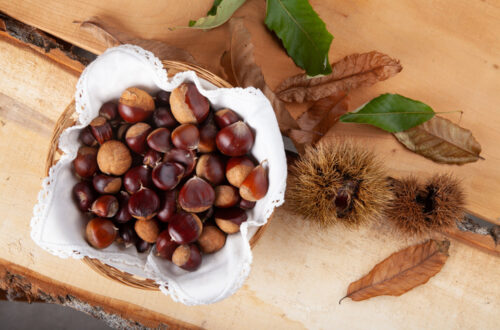
Here is a recipe for Castagnaccio cake, a classic dessert from northern Tuscany, specifically from Carrara. Long ago in the Tuscan mountains (Lunigiana), chestnut trees ruled the hillsides. During harsh winters, local families relied heavily on the rich, sweet chestnut flour to nourish themselves. Moreover, Castagnaccio was more than just a cake; indeed, it was a humble celebration of nature’s gifts, simple yet soulful. A Short Story to Savor with Your Slice… Legend says an old grandmother once invited lost travelers into her home, offering slices of warm castagnaccio and stories by the fire. Those slices carried comfort, hope, and a touch of magic, the secret rosemary whispering tales of…
Lombardy traditional cake.
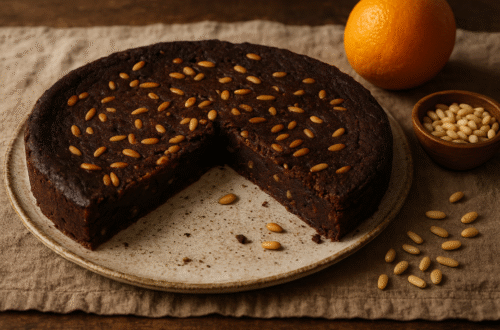
Torta paesana is a dessert originating in Lombardy. It is a soft bread cake with a rustic flavor, a cocoa dessert that is easy to prepare and does not require any special equipment. Legend has it, the cake was so easy and delicious, it became the “go-to” dessert whenever there was a shortage of fancy ingredients because nothing beats love mixed with a bit of orange zest! Here’s the recipe for Brianza cake, straight from the Meroni bakery. Ingredients: Preparation: Special Features: So whenever you make this cake, think of Nonna winking as she slices a piece—because this recipe is a little slice of Italian countryside magic straight to your…
Carrara rice cake.
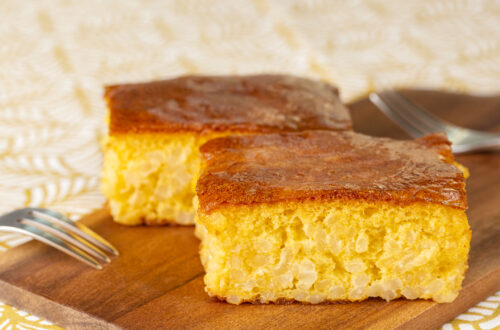
Here is a recipe for Carrara’s rice cake (Torta di riso carrarina), a classic dessert from the northern Tuscan city of Carrara. This cake has deep roots in Tuscan tradition, known for its creamy, rich texture without any flour or butter. It is made with rice, milk, eggs, sugar, and flavored with hints of lemon zest and anise liquor, resulting in a sweet custardy delight that is both comforting and elegant. Origin of Carrara’s Rice Cake: The Torta di Riso Carrarina comes from Carrara, Tuscany—a region famed for its marble but also for its simple yet flavorful peasant cuisine. This rice cake is traditionally prepared during festive occasions and has…
The guide to admission exams for Italian universities.
Entrance exams for Italian universities are mainly divided into national and local, administered by each university. Tests can be selective or evaluative. Many universities use the TOLC (CISIA Online Test) for admission to various degree programs. To enroll in the first year of a university course, most Italian universities require students to take an orientation and assessment test to determine their aptitude and preparation. Some universities may use the test to limit access to certain courses that accept a limited number of students. Here I wrote the post that talks about limited and open access to Italian universities. Since 2018, there have been different types of TOLCs, each designed for…
What are the limited-access and open-access faculties in Italy?
Italian universities divide their courses into two main admission types: open-entry and limited-entry. Understanding the differences between these can help you choose your path and prepare accordingly. Open Admission Faculties: Open admission faculties allow students to enroll without having to pass an entrance exam. These degree programs have no fixed limit on the number of students who can enroll, making admission easier. This means that anyone who meets the general admission requirements could apply and be admitted. The most common open admission faculties in Italy include: These programs are ideal for students who prefer a less competitive admissions process and want to avoid the pressure of admissions tests. Limited admission…
Savory pie with wild herbs, said “Erbazzone”
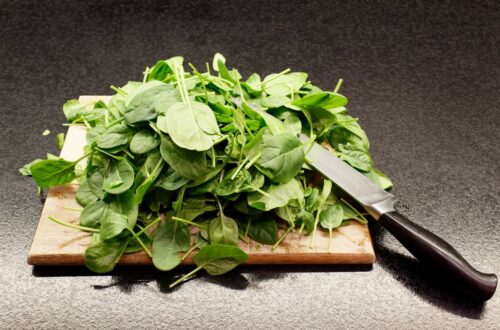
Erbazzone is a savory pie originating in Reggio Emilia, with a pastry base filled with Swiss chard, pancetta, parsley, and Parmesan cheese. This green pie, or savory tart, is made in almost every region of Italy, but I first tasted it in Tuscany, in Pontremoli, where it’s called Erbazzone. The word erba means “herb” or “grass” in Italian, so this pie is made from a mix of wild herbs. Specifically, a blend of chicory, chard, turnip greens, and sometimes spinach. You’ll also need a few small potatoes, olive oil, Parmesan cheese, and pancetta. Ingredients (diameter 23 cm): How it should be done: First, prepare your herb mix by briefly blanching the greens just…
Homemade Anchovy and Potato Pie.
This recipe is simple but very flavorful. It takes a bit of effort because you need to prepare the potatoes and clean fresh anchovies, but the result is well worth it. This savory potato and anchovy pie is a delightful combination of simple ingredients that come together to create a rich, flavorful dish. Perfect for those who appreciate the bold taste of fresh anchovies balanced with tender potatoes and aromatic herbs, this pie is both comforting and unique. So, what do you need and how do you prepare this pasta? Ingredients: Hey, do you like garlic? Check out this recipe: Classic Spaghetti Aglio, Olio, and Peperoncino. Preparation: Layering: Enjoy this…
You May Also Like

The scholarships in Italy.
Carrara rice cake.
How to choose a university in Italy?
Pane Nostrum, the National Leavened Good Fair in Senigallia.
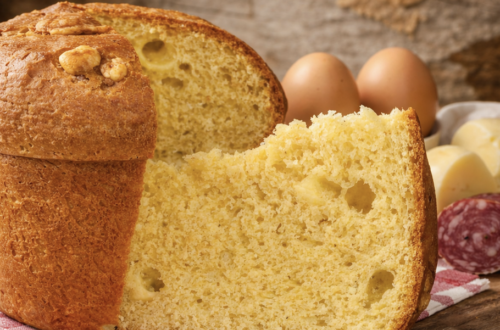
September marks the start of countless sagre and fiere across Italy. One of my favorites here in Le Marche is Pane Nostrum, held in the town of Senigallia. Have you already read the post about Summer Jamboree, which always takes place in Senigallia? Senigallia truly is the champion when it comes to hosting all sorts of festivals. Il pane means bread in Italian. Nostrum comes from Latin, something like “our”, you know, like Cosa Nostra. So, Pane Nostrum means “Our Bread.” Originally, this event was conceived as a sagra, a harvest celebration, a treasure to share and rejoice over together. The first editions were a great success, heartfelt, you could…