Summer Panettone in Italy.

Summer Panettone in Italy: Yes, It’s a Thing (And I Found It at the Bar).
I ordered my espresso, sat down, looked left…
A panettone. At the bar. In June.
Not a forgotten box from Christmas tucked behind the counter. A proper panettone estivo, its packaging all summery blues and yellows, right there next to the cornetti. It was a Galup, that Piedmontese brand born in 1922, the one Italians trust the way they trust their nonna’s recipe. I genuinely did a double-take.
Ma stai scherzando?
After 12 years living in Italy, you’d think nothing surprises me anymore. And yet. Summer panettone is one of those things that reveals how deep Italian food culture actually goes; it’s not a gimmick, it’s a real evolution of a beloved tradition. And once you understand it, it makes complete sense.
Content
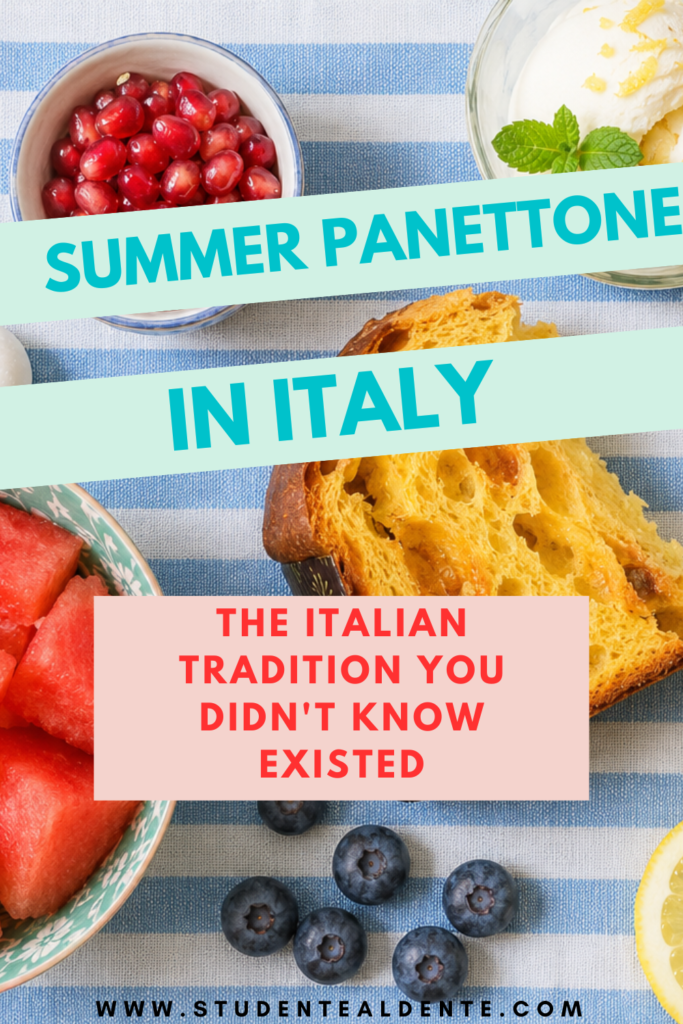
What Is Summer Panettone (Panettone Estivo)?
The base is the same: slow rise with lievito madre, the sourdough starter that gives Italian panettone its soft, pillowy structure, which takes anywhere from 40 to 72 hours to develop properly. Same round shape you know from December.
What changes are the fillings? Completely.
Out goes the classic candied citrus and raisins. In it come limone candito di Sicilia, pesca candita, fresh basil, yogurt, mango, apricot, figs, even pistacchio di Bronte in the more adventurous versions.
The result? Lighter. Fresher. Made to eat cold, maybe with a spoonful of artisanal gelato melting into it. Or sliced thin and toasted for a very unexpected Italian colazione.
Italy has been warming up to this idea for several years now. What started exclusively in artisan pastry shops has quietly moved into bars, specialty grocery stores, and even some bigger supermarket chains. The panettone estivo is no longer a niche product for lievitati enthusiasts; it’s becoming part of the Italian summer table.
Why Do Italians Eat Panettone in Summer?
Here is something that surprised me when I first learned it: panettone was never actually born for Christmas.
The panettone as we know it today, that tall, domed, rich leavened cake, is largely a commercial invention of the 1920s, created by Angelo Motta, the founder of the famous Milanese brand. Before that, it was simply a sweet flatbread with raisins. Motta gave it its iconic shape and pushed it as a Christmas product through clever marketing.
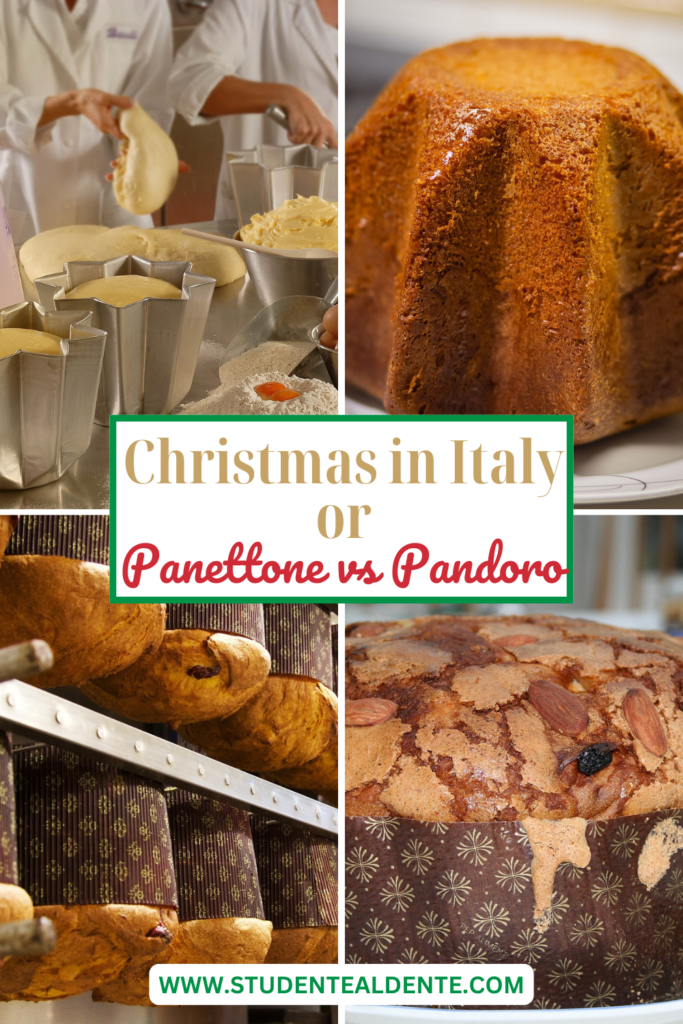
Which means, technically, nothing is stopping it from being eaten in July. Or August. Or on a Tuesday in March, for that matter.
The ingredients: flour, butter, eggs, sugar, and natural yeast have no real seasonality. What changes is what you put inside, and Italian pastry makers and lievitisti have embraced that freedom completely.
The other Italian reason? Ferragosto.
August 15th is the most Italian holiday of the Italian year, with beaches, family lunches that stretch into the late afternoon, and a very specific atmosphere of collective celebration. Ferragosto has gradually become the unofficial second Christmas for summer panettone, with families sharing it the same way they would in December.
The Best Summer Panettone Brands to Know:
Galup.
The One That Started My Bar Moment.
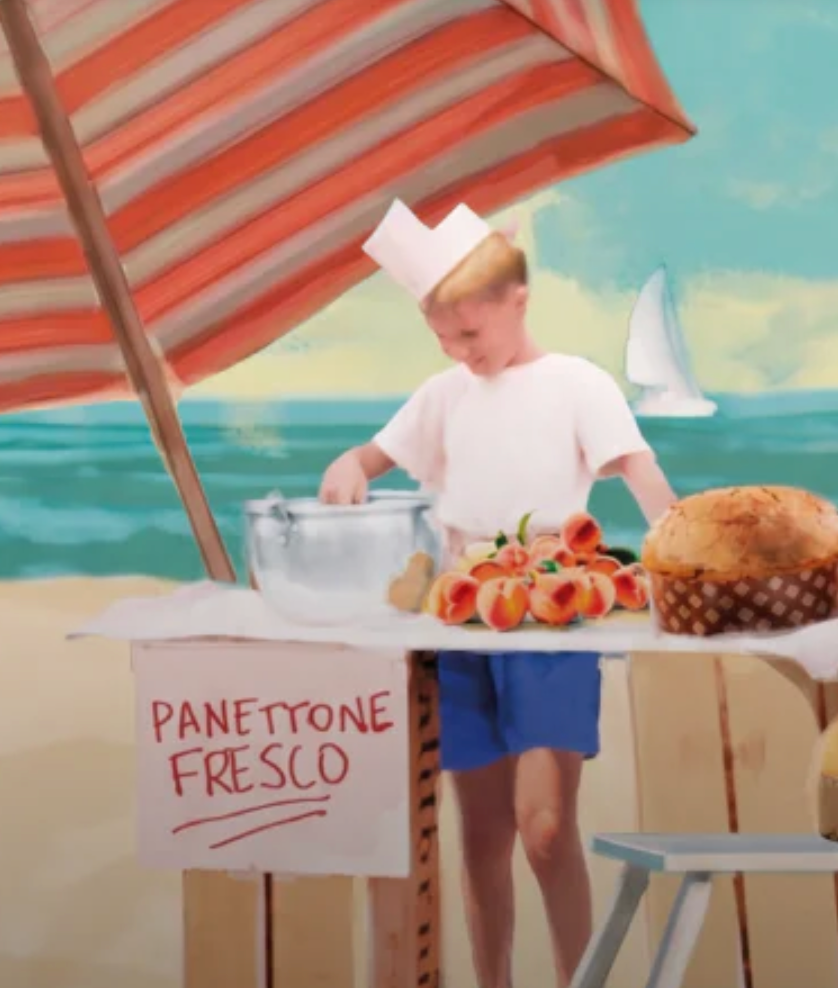
Galup is the brand I spotted that June morning, and it is probably the most accessible name in the summer panettone space. Founded in Pinerolo, Piedmont, in 1922, it holds the status of Marchio Storico di interesse nazionale, a historic brand of national importance. That is not just a marketing label. It means the brand is officially recognized as part of Italian cultural and commercial heritage.
Their summer line is called Panettone D’Amare, and yes, the name plays on both “da mare” (from the sea) and “d’amare” (to love), very intentionally. Very Italian.
Current flavors include Sicilian candied lemon with a hint of basil, and peach with yogurt. The impasto is made with Galup’s own lievito madre, slow-risen for 40 hours. Available online at around 18-19€ for 750g, and increasingly in bars and specialty shops across Italy.
Marchesi 1824.
The Prestige Version.
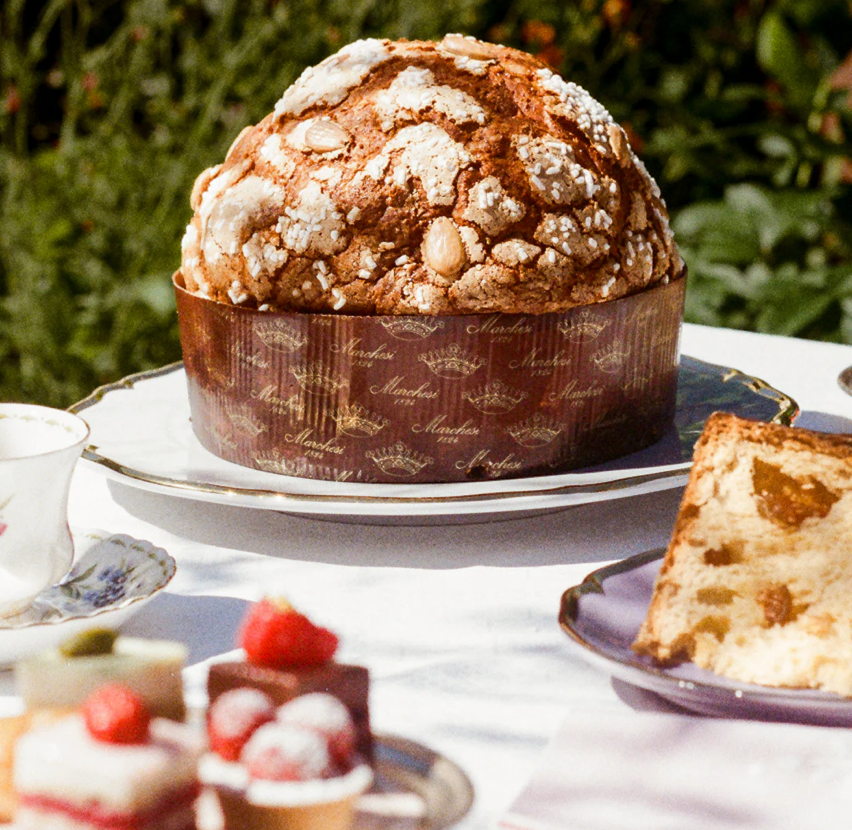
If you want to understand what a truly exceptional summer panettone tastes like, Marchesi 1824 is the answer. The historic Milanese pasticceria, founded over two centuries ago, makes a summer version with apricot from Costigliole semi-candied, Amalfi lemon, and a delicate almond glaze. The lievito madre used in their panettoni is kept alive and fed daily — a ritual that has been going on for generations.
It is a different category of product. More expensive, harder to find outside Milan, but worth knowing about.
Fiasconaro.
When Sicily Takes Over.
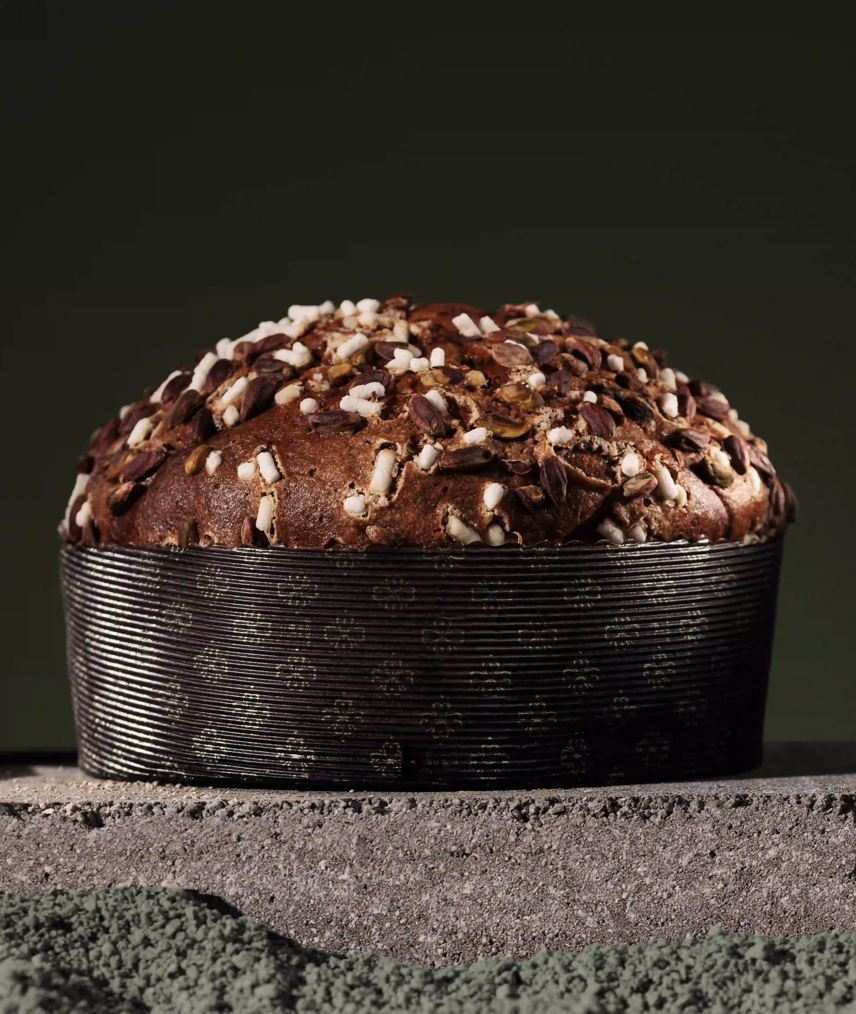
Fiasconaro comes from Castelbuono, Sicily, which means that when they talk about local ingredients, they mean pistacchio di Bronte, cioccolato di Modica, and mandorla di Avola. When you see those three things together on a label, you put it in the basket immediately.
Their summer panettone is aromatic, rich, and deeply Sicilian. Available online and in specialty food shops.
Fiore 1827.
Nearly Two Centuries, One Very Good Summer Idea.
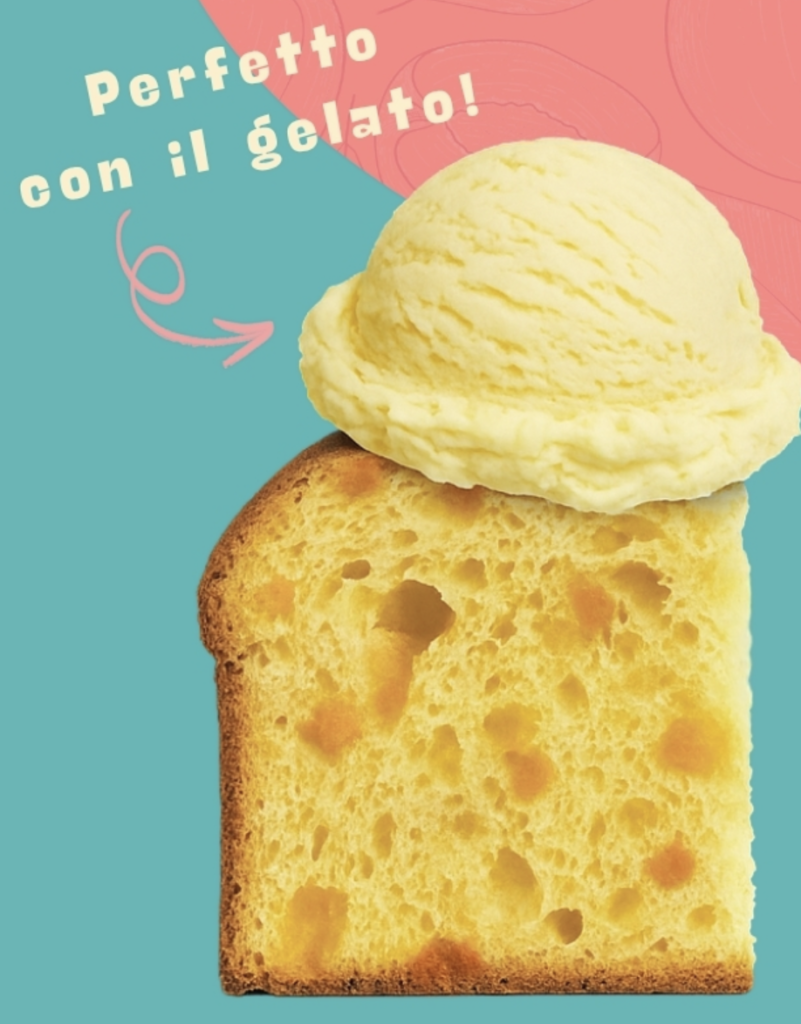
Fiore has been making sweets in Siena since 1827, the same hands that built their reputation on Panforte, Ricciarelli, and Cantuccini. Their summer panettone is filled with peach and apricot, slow-risen with lievito madre and worked by hand in their Sienese laboratory. It showed up at Forte dei Marmi beach clubs last summer, served next to gelato under the August stars. That detail tells you everything about where this brand sits.
How to Actually Eat Summer Panettone
A few ways I have tried (and loved):
Cold, straight from the fridge, with a scoop of gelato on the side. The contrast of temperatures and textures is genuinely excellent.
Sliced thin and toasted, served with light ricotta and a drizzle of honey. This is my personal favorite for a slow summer morning.
As a dessert at a summer dinner, paired with a cold glass of Moscato d’Asti. Light, fragrant, not too heavy after a long meal.
Cut into cubes for a Ferragosto dessert plate, with fresh fruit, a bit of whipped cream, and some berries. Very simple, very Italian.
One idea I keep seeing in Italian food content lately: slice it, toast it, and use it as a base for a savory-sweet bruschetta with stracchino and fig jam. I have not tried this yet. It is on my list.
A Note on Finding It Outside Italy
If you are not in Italy right now and you are reading this with a very specific craving, Galup ships internationally through its official online shop. Fiasconaro does too. Marchesi 1824 is available in some high-end Italian food importers in Europe and the US.
Or, you come to Italy in summer, you walk into a bar, and you look left.
That works too.
Allora, have you ever tried panettone outside of Christmas? Would a summer version make sense in your country, or does it feel deeply wrong to take it out of December?
Tell me below. I read every comment.
Ciao cacao, Maryna