Italian Easter Cheese Bread (Pizza al Formaggio).
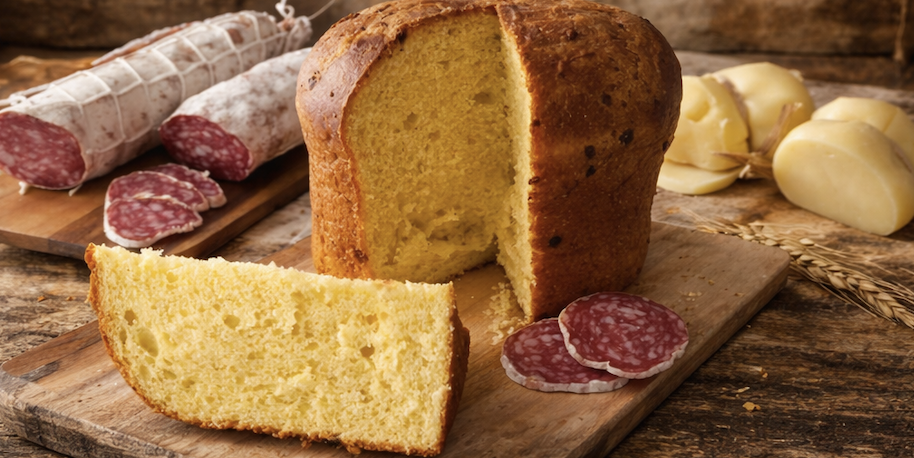
In the Marche region, tradition dictates that Easter morning begins with a special breakfast, quite different from the usual daily meal: a hearty, savory meal in which cheese pizza takes center stage. It is served with local cured meats, hard-boiled eggs, and wine, creating a perfect balance of flavors.
If there’s one thing you should know about Easter in Italy, it’s this: food is never just food. It’s memory, family, ritual, and a whole lot of flavor. One of the most iconic (yet underrated) Easter recipes comes from the Marche region: pizza al formaggio, also known as Italian Easter cheese bread.
Tall, fluffy, and packed with bold, savory cheese, this traditional bake is a must-have on the Easter table. But more than that, it’s a symbol of celebration after a period of restraint, a recipe rooted in rural traditions, and a perfect example of how Italians turn simple ingredients into something unforgettable.
Let’s dive into the story, the tradition, and of course, how to make it at home.
Easter in Italy: A Celebration of Food and Tradition.
Easter in Italy is a big deal, both spiritually and culturally. While Christmas might get more global attention, Pasqua is deeply felt across the country, especially when it comes to food traditions.
The week leading up to Easter includes religious processions, family gatherings, and a shift in the kitchen. After Lent, a period where many Italians traditionally reduce or avoid meat and rich foods, Easter Sunday becomes a moment of abundance.
Each region has its own specialties, but common elements include:
- Eggs (a symbol of rebirth)
- Lamb dishes
- Sweet breads and cakes
- And, in Central Italy, savory bakes like pizza al formaggio
In the Marche region, Easter morning doesn’t start with coffee and a croissant. Instead, families sit down to a colazione di Pasqua, a full-on savory breakfast featuring cheese bread, cured meats, boiled eggs, and even a glass of wine.
Yes, wine. In the morning. It’s Easter, after all.
What is Pizza al Formaggio?
Despite the name, pizza al formaggio is not pizza as you might expect. There’s no tomato sauce, no mozzarella topping. Instead, think of it as a savory, cheesy bread, somewhere between a brioche and a panettone, but with a bold, salty kick.
It’s:
- Tall and dome-shaped
- Soft and airy inside
- Golden and slightly crispy outside
- Packed with grated cheeses like pecorino and parmesan
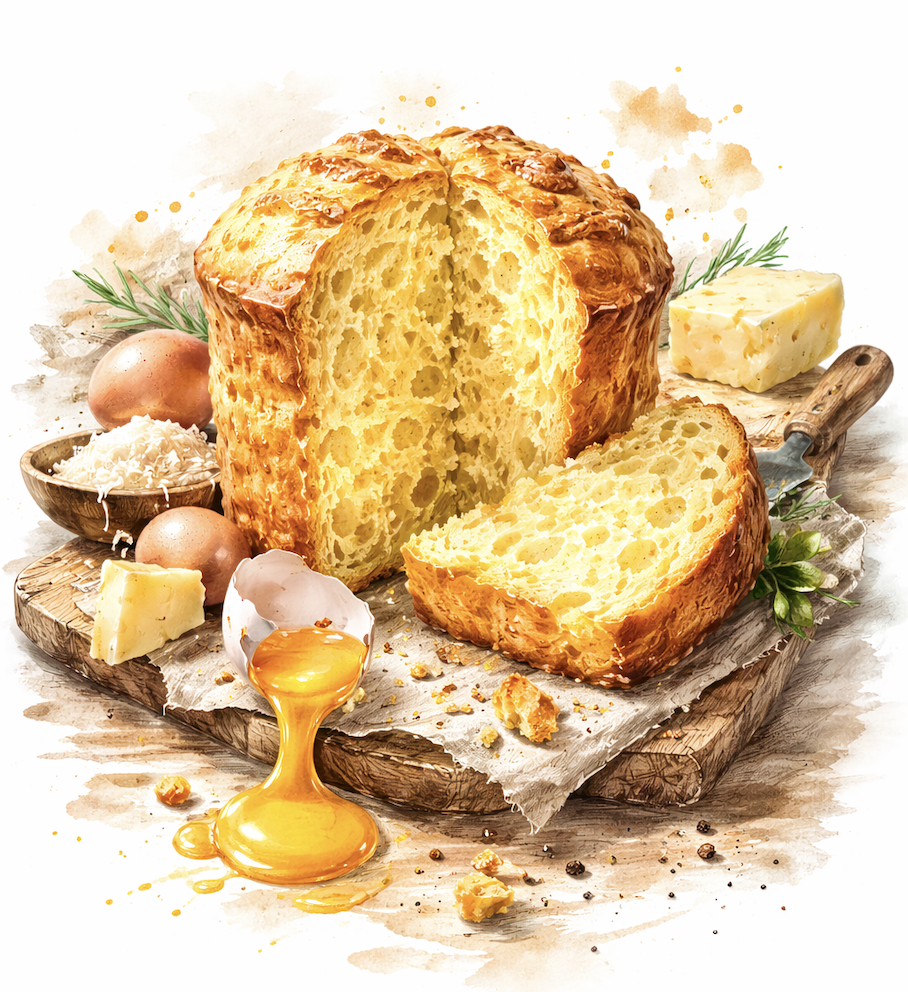
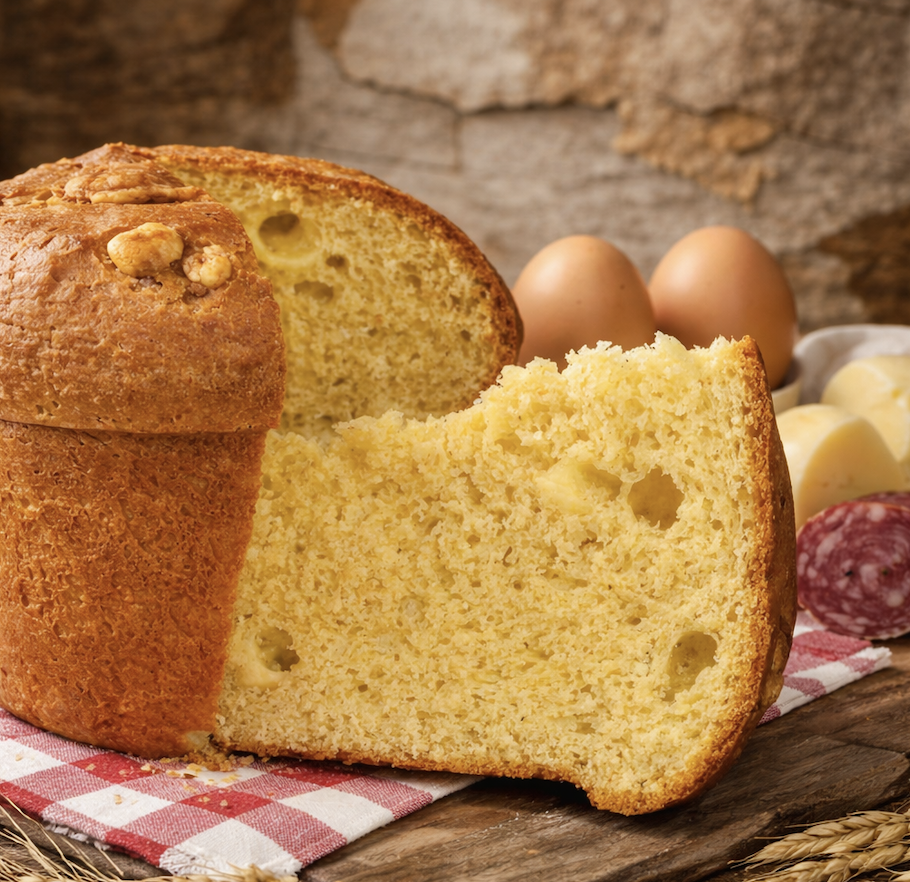
This bread is traditionally baked in tall molds, giving it that signature vertical rise. When sliced, it reveals a soft, elastic crumb with an intense cheesy aroma.
The Origins: A Recipe from Rural Kitchens.
Pizza al formaggio has humble beginnings. It comes from the countryside of Le Marche, where cooking was based on seasonal availability and religious rhythms.
During Lent, ingredients like eggs, butter, and cheese were either restricted or used sparingly. So when Easter arrived, these rich ingredients made a strong comeback.
Home cooks, often grandmothers and mothers, would prepare this bread days in advance. It was made in large batches, using:
- Fresh eggs from the farm
- Local sheep’s milk cheeses
- Stone-ground flour
The dough would rise slowly near the fireplace, then be baked in wood-fired ovens. Each family had its own variation, and those small differences remain part of the tradition today.
Italian Easter Cheese Bread Recipeural Kitchens:
Here’s a classic version you can try at home. It stays true to tradition but is adapted for a modern kitchen.
Ingredients:
- 500 g (4 cups) all-purpose or strong flour
- 4 large eggs
- 100 ml (½ cup) milk, slightly warm
- 100 ml (½ cup) extra virgin olive oil (or melted butter)
- 150 g (1 ½ cups) grated pecorino cheese
- 100 g (1 cup) grated parmesan cheese
- 10 g (2 tsp) salt
- Black pepper (generous amount)
- 10 g fresh yeast (or 3 g dry yeast)
Step-by-Step Preparation:
Activate the yeast. Dissolve the yeast in warm milk and let it sit for a few minutes until slightly foamy.
Start the dough. In a large bowl, combine flour and eggs. Add the milk with yeast and begin mixing.
Add fats and seasoning. Pour in the olive oil (or butter), then add salt and plenty of black pepper. Mix until combined.
Incorporate the cheese. Add the grated pecorino and parmesan. Knead the dough until smooth and elastic. It should be soft but not sticky.
First rise. Cover the dough and let it rise in a warm place for about 2–3 hours, or until doubled in size.
Shape and the second rise. Transfer the dough into a tall, greased mold (like a panettone mold). Let it rise again until it reaches the top.
Bake. Bake in a preheated oven at 180°C (350°F) for 40–50 minutes. The top should be golden brown.
Let it cool slightly before slicing, but not too much. It’s incredible while still warm.
How Italians Eat It:
Pizza al formaggio is rarely eaten on its own. It’s part of a bigger experience. Traditionally, it’s served with:
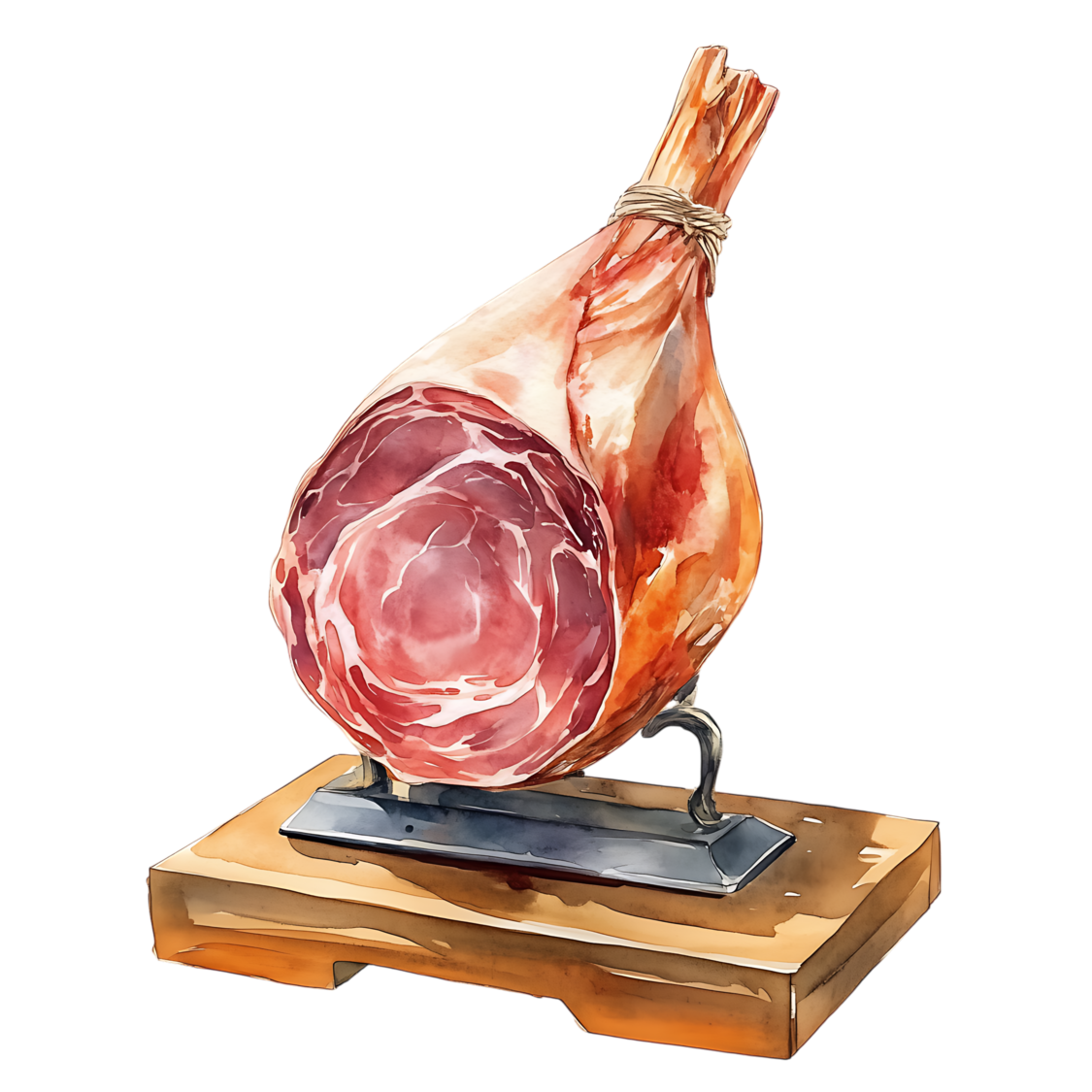
- Salami and cured meats
- Hard-boiled eggs
- Local wine
The contrast between the salty cheese bread and the richness of the meats is what makes it so satisfying. And it doesn’t stop at Easter morning. This bread is perfect for: Sharing with friends and family, Easter Monday picnics (Pasquetta), and snacks throughout the holiday weekend.
Why This Recipe Still Matters Today?
In a world of fast food and shortcuts, pizza al formaggio stands for something different. It’s slow, intentional, and deeply connected to tradition.
Making it means:
- Taking time to let the dough rise naturally
- Using quality ingredients
- Recreating a piece of Italian culture at home
It’s not just about the final result—it’s about the process. And honestly, that’s what Italian cooking is all about.
Italian Easter cheese bread is more than just a regional recipe; it’s a story you can taste. From its origins in rural Marche kitchens to modern tables around the world, pizza al formaggio continues to bring people together. If you’re looking to try something authentic this Easter, skip the usual and go for something with history, texture, and serious flavor. Bake it, slice it, share it. Because in Italy, the best recipes are the ones meant to be enjoyed together.



You May Also Like
Admission to Italian universities 2025/26.

My journey, or how I moved to Italy.