How to choose pesto.
How to Choose Pesto: What I Actually Look For After 12 Years in Italy.
The first time I made pesto in my own kitchen in Ancona, I didn’t have a food processor. I had a mortar, borrowed from my landlady, and a bunch of basil from the Wednesday market. And no idea I was about to ruin my wrist for the next two hours.
I remember standing there, pounding basil leaves against pine nuts and garlic, wondering why every Italian recipe insisted on doing this the hard way. Then I tasted it. Bright, sharp, a little peppery from the basil oils that only come out when you crush the leaves instead of blending them. Nothing like the jar I’d been buying at the Conad down the street.
That was the moment I stopped thinking of pesto as one thing. So when people ask me how to choose it, my answer isn’t a ranking of fancy imported brands. It’s what I actually check, in the order I check it.
Contents
The Five Things I Read on a Label Before It Goes in My Basket
Basil position on the ingredient list. Ingredients are listed by weight, starting with the largest. If basil isn’t the first or second ingredient, or it’s buried after sunflower oil and potato starch, that jar is mostly filler with a hint of basil flavor added back in.
The type of oil. Extra virgin olive oil should be the fat, ideally Ligurian if the label mentions it. A lot of commercial pesto cuts costs with sunflower oil, which changes both the flavor and the texture. It ends up tasting flat, almost soapy, instead of grassy and rich.
Real cheese, not cheese powder. Look for Parmigiano Reggiano DOP or Grana Padano DOP by name. Some cheaper versions use “formaggio in polvere” or whey powder, which technically counts as dairy but tastes nothing like the real thing.
Pine nuts, not just cashews. Pine nuts are expensive, so a lot of brands quietly swap them out or blend them with cashews to save money. Cashews aren’t a crime on their own, some regional variations actually use walnuts or almonds, but if a jar labeled “Genovese” has no pine nuts at all, that’s a sign the recipe has been stretched thin.
Where it was made. This one surprised me when I first moved here. A jar can say “Italian recipe” on the front and still be manufactured somewhere else entirely, using imported basil grown far from Liguria. Check for “prodotto in Italia” or a specific region mentioned, not just a green, red, and white color scheme on the packaging.
If a jar passes all five, buy it without guilt. If it fails two or more, put it back. That’s the whole system.
The Brands I Actually Buy, and What They Cost
Forget the imported, gourmet names you see on food blogs written by people who’ve never set foot in an Italian discount supermarket. These are the jars that actually sit in my fridge, bought on a normal Tuesday shop, not researched for a photo. Since price matters as much as the ingredient list, here’s roughly what each one costs where I shop.
Eurospin, Amo Essere:
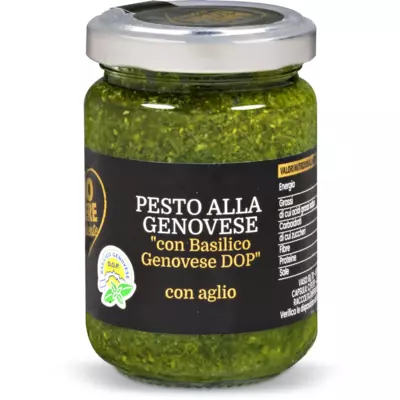
My go-to when I want something decent without spending real money. A 130g jar runs around 2 euros, which puts it near the cheapest end of the shelf. Eurospin isn’t known for luxury, but this line holds up fine on the five-point checklist, real basil near the top of the list, olive oil instead of only sunflower.
Carrefour, Terre d’Italia.
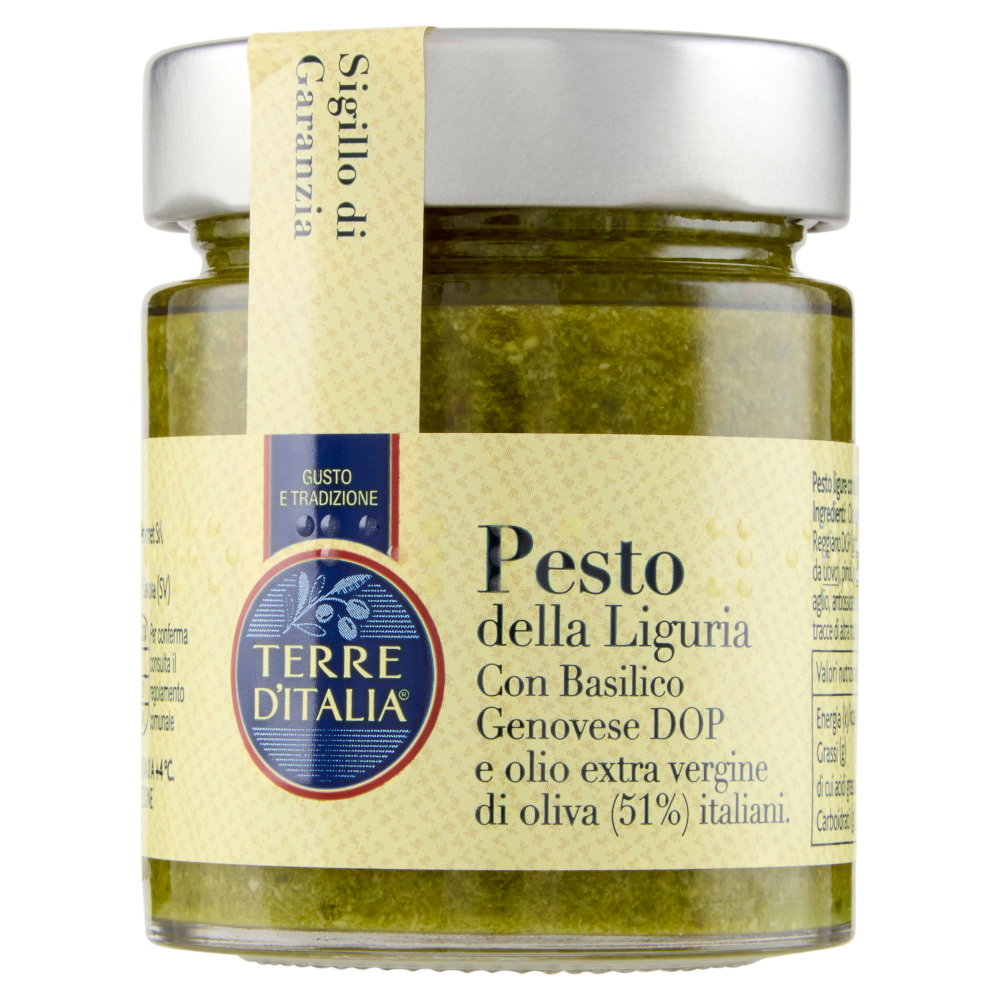
A step up in both price and quality. A 120g jar of their “Pesto della Liguria” runs closer to 4 euros, nearly double Eurospin, but the ingredient list justifies it if you want something closer to what you’d find in a small shop in Genoa.
Coop Italia.
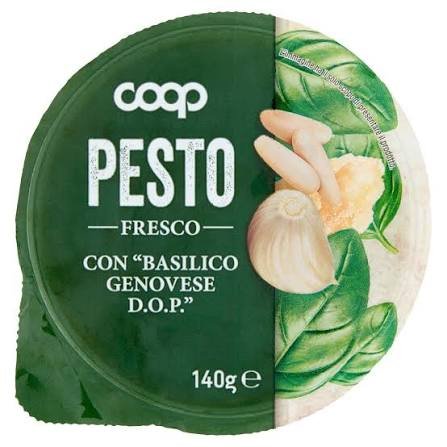
The supermarket own brand I trust most for staples in general. A 140g jar sits around 1.85 euros, actually the cheapest of the three despite a decent basil content. Nothing flashy, but consistent, and it’s rare for me to find a genuinely bad jar wearing the Coop label.
Biffi 1852
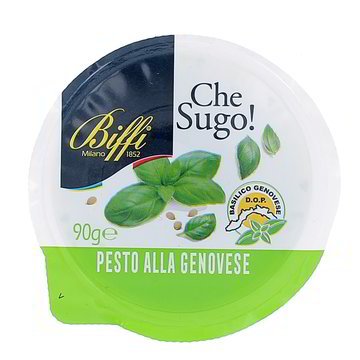
The one I buy when I actually care about the result, not just convenience. An 80g jar also runs around 2 euros, which sounds similar to Eurospin until you notice it’s nearly half the size, so per gram it’s the most expensive of the group. It uses PDO Genovese basil and skips the shortcuts cheaper brands rely on.
Alce Nero
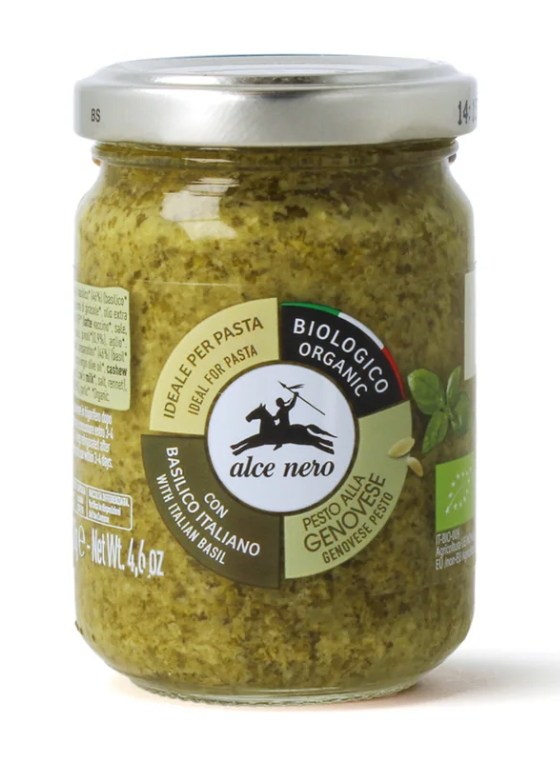
The organic option, and the one I reach for when I want to know exactly what’s in the jar without checking the label twice. It costs more than any of the above, but it’s honest about it, no shortcuts hidden behind an organic sticker.
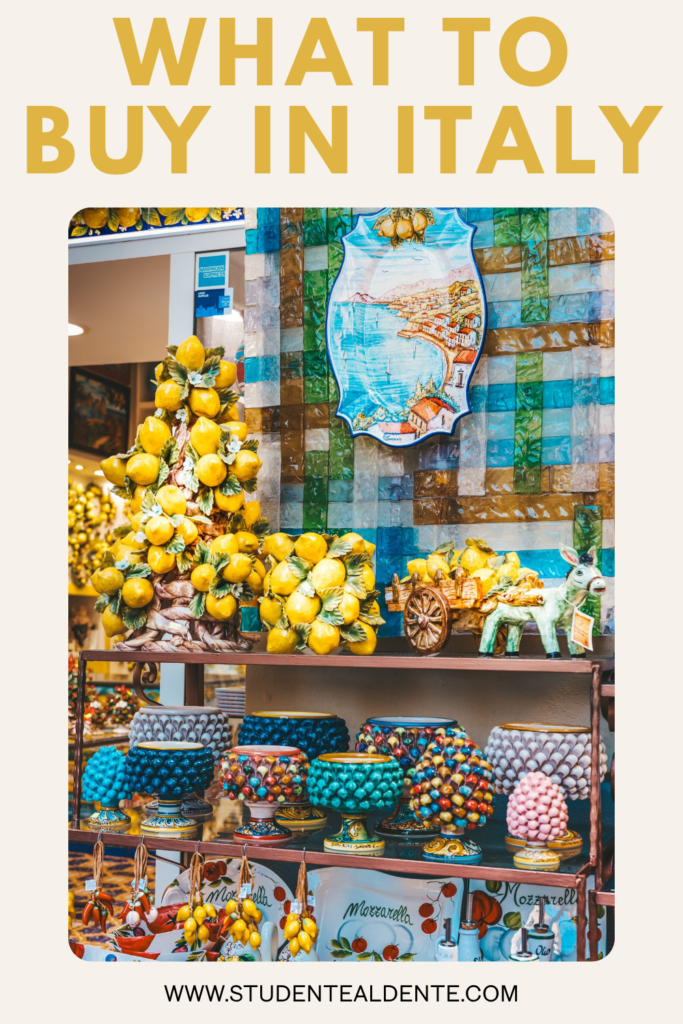
If you’re building an Italian food shopping list before your trip, you might also like my guide to what to buy in Italy.
These are what’s actually in my kitchen, not a sponsored list. If your local supermarket carries different own brands, run them through the same five checks above instead of trusting the shelf placement or the packaging.
Fresh or Shelf-Stable: The Choice That Matters More Than the Brand
In Italy, the fresh, refrigerated pesto sold near the fresh pasta section is almost always better than the shelf-stable jars near the sauces aisle. It has a shorter life, usually a few weeks, but the flavor is closer to homemade because the basil hasn’t been pasteurized into submission for a two-year shelf life.
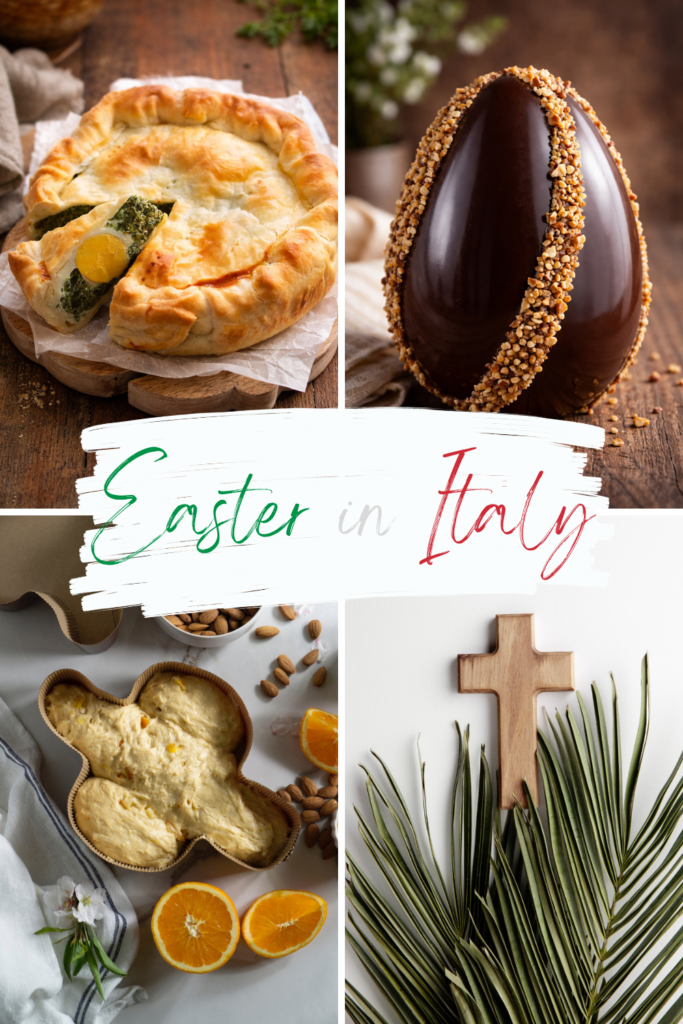
Fresh pesto is especially good for a simple spring lunch or picnic. For more seasonal food ideas, have a look at my guide to Easter traditions and foods in Italy.
For shelf-stable jars, a pesto with seven ingredients that match the traditional recipe will almost always beat one with fifteen ingredients trying to compensate for weak basil.
One thing I tell friends visiting from abroad: don’t judge Italian pesto by what you find in supermarkets outside Italy. Export versions are often reformulated to survive longer shipping times and different regulations around raw garlic and unpasteurized cheese.
Why Genovese Basil Is the Whole Point
Pesto alla Genovese comes from Liguria, specifically from around Genoa, where the basil grows differently than anywhere else in Italy. The soil, the sea air, the specific variety of basil that’s protected under a DOP designation. Ligurian basil has smaller, more delicate leaves and a sweeter smell, without the minty bitterness that basil grown in hotter climates develops.
The traditional recipe has exactly seven ingredients: Genovese basil, garlic, pine nuts, Parmigiano Reggiano, Pecorino Sardo or Pecorino Romano, Ligurian extra virgin olive oil, and coarse salt. No spinach for color, no cashews to cut costs, no butter to make it creamier.
Buona caccia al pesto!