Christmas in Italy or Panettone vs Pandoro.
Christmas in Italy is a special holiday. It is always celebrated with family. As the saying goes, “Natale con I tuoi, Pasqua con chi vuoi” (Christmas with your family, Easter with whoever you want).
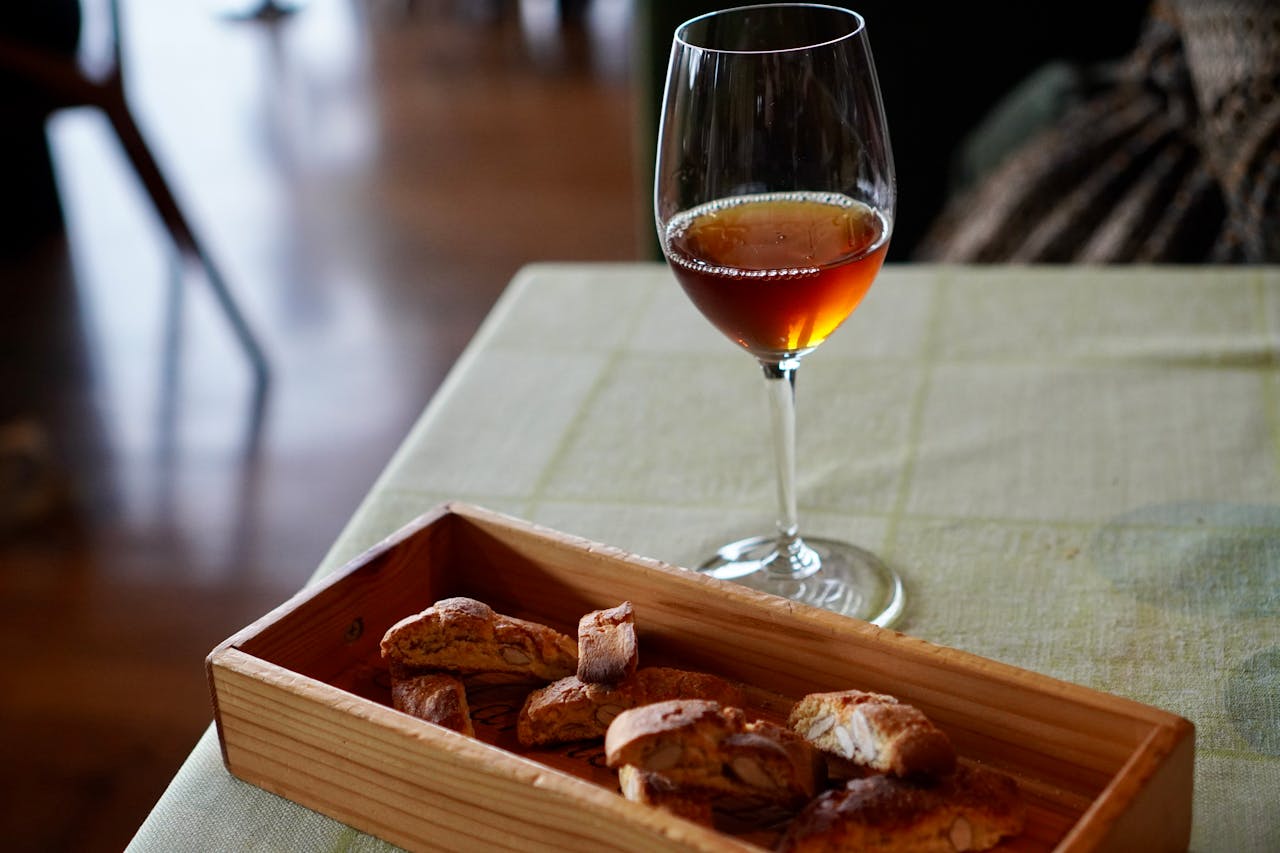
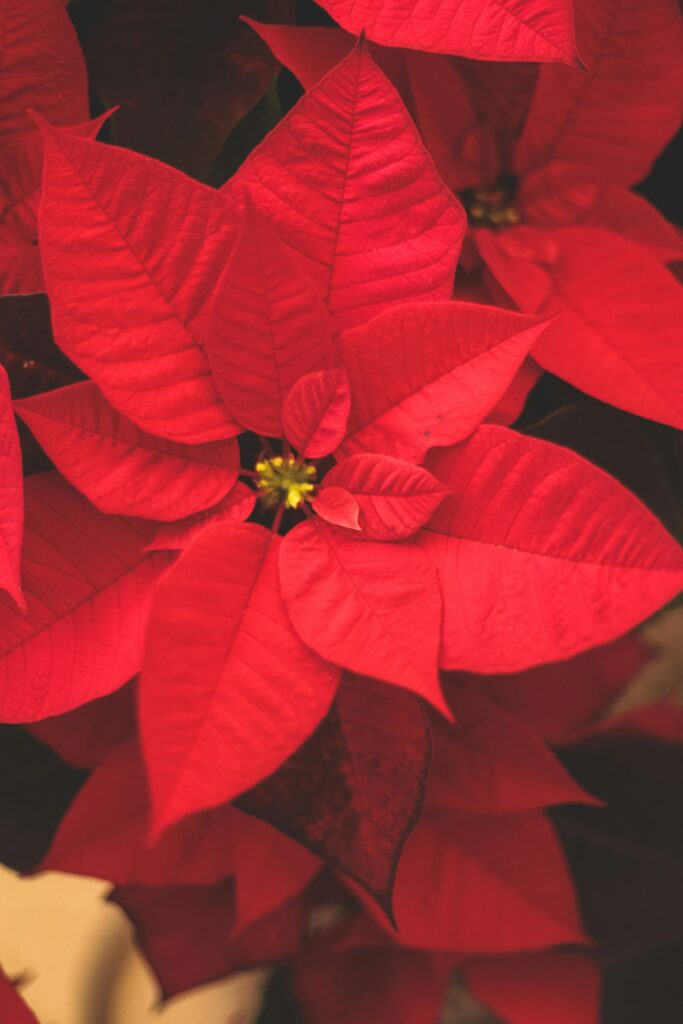
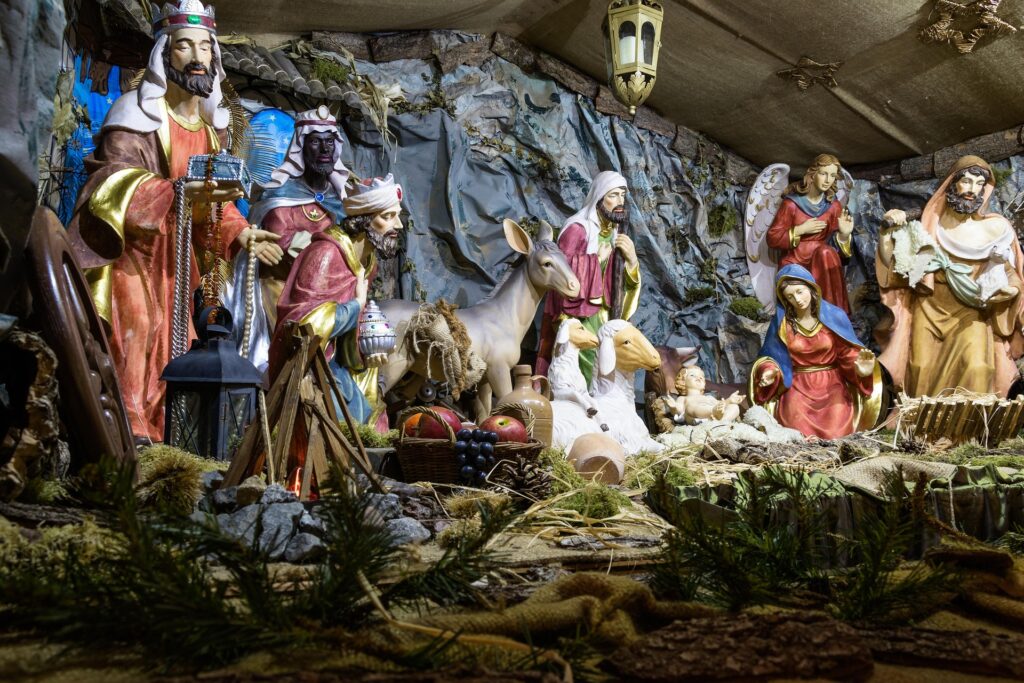
From the beginning of November, Pandoro and Panettone appear in stores. These are famous sweet cakes. They are available in industrial and artisanal varieties. They differ in price and, of course, taste. Christmas is also the time for the famous Cantucci and Vin Santo. People think about the holiday menu, buy gifts, decorate their homes, and put up Christmas trees. Artificial ice rinks are set up in the city, concerts are held, and Christmas markets open. They are especially famous and widespread in northern Italy. Markets, supermarkets, and flower shops sell “Christmas star” (Christmas flowers). Every parish prepares a live “Presepe” (Nativity scene).
The whole family gathers around the table on the evening of December 24, jokes, has dinner, and exchanges gifts at midnight. Special attention is paid to dessert.
Panettone and Pandoro are two iconic Italian Christmas cakes with rich histories and distinct differences:
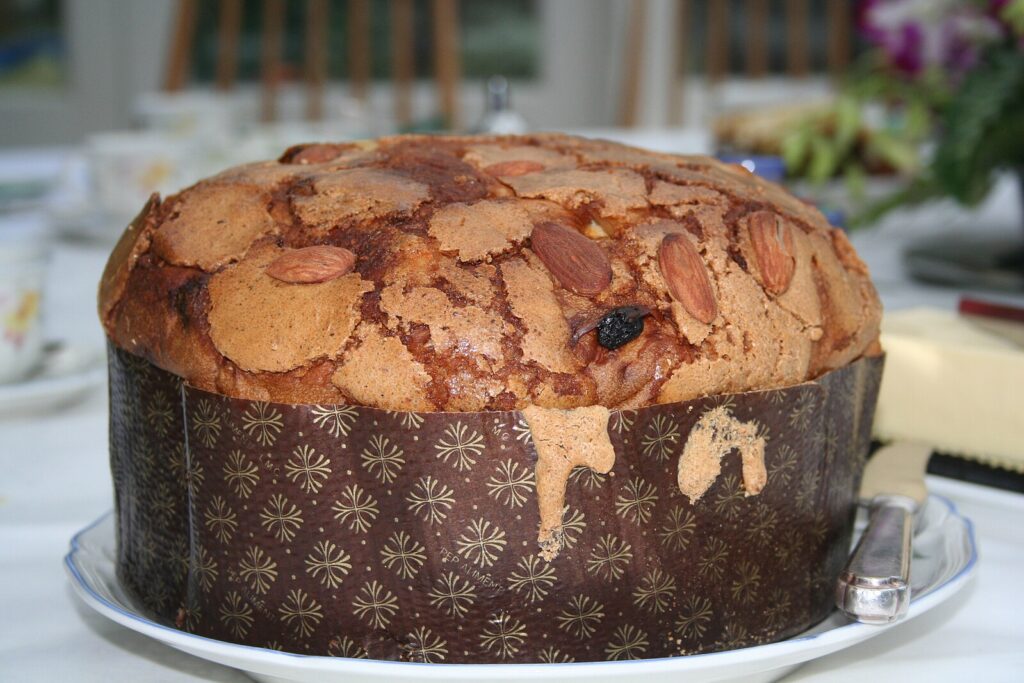
Panettone originated in Milan and dates back to the Middle Ages as a festive bread enriched for Christmas, with one of the oldest records dating back to 1599 mentioning ingredients such as butter, raisins, and spices used to make large Christmas loaves.
In the early 1900s, panettone was industrialized and perfected, with Angelo Motta introducing the dough rising process that gave it its characteristic height and light, fluffy texture.
Pandoro, on the other hand, was created in Verona in the late 19th century, in 1894, by Domenico Melegatti, and is known for its star shape and soft texture.
It is characterized by its soft crumb, buttery flavor, and golden yellow color due to rich ingredients such as butter, eggs, and sourdough starter.
Unlike panettone, it contains no candied fruit or raisins. Pandoro’s shape is typically an eight-pointed star, contrasting with panettone’s taller cylindrical form.
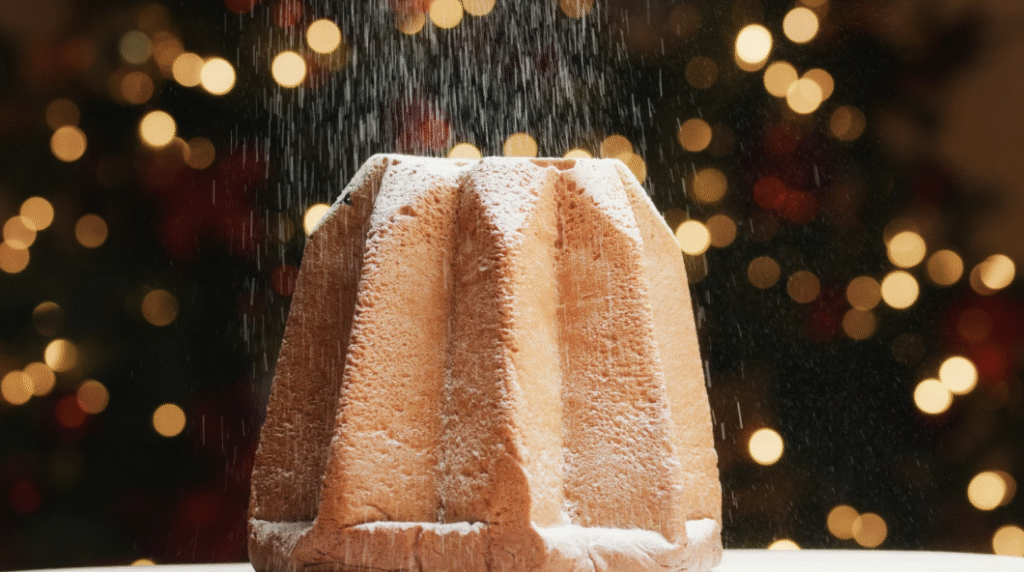
The essential differences between panettone and pandoro include:
- Shape: Panettone is tall and dome-shaped. Pandoro has an eight-point star shape
- Ingredients: Panettone features candied fruits and raisins. Pandoro is plain, relying on butter and eggs for flavor.
- Texture: Panettone has a more complex structure due to long rising times. Pandoro is softer and fluffier with a delicate crumb.
- Both cakes are labor-intensive and require specific techniques to achieve their unique textures and flavors, making them beloved staples of Italian Christmas festivities celebrated worldwide

Here are the top industrial brands of the most famous Panettone and Pandoro cakes in Italy:
- Bauli: Top seller for soft panettone and pandoro in various sizes, a household name nationwide.
- Motta: Renowned for classic recipes and special editions like chef collaborations, often leading pandoro charts.
- Melegatti: Patented pandoro in 1894, specializes in the original star-shaped version alongside panettone.
- Tre Marie: Founded in 1896 in Milan from a medieval bakery tied to the “Three Marys” legend, it evolved simple bread into enriched panettone with candied fruit and butter crust. Expanded nationally in the 1960s by supplying patisseries, now a symbol of Milanese tradition for panettone, pandoro, and colomba.
- Balocco: Affordable yet high-quality options that frequently rank well in consumer tests.
- Maina: Known for innovative flavors like hazelnut-filled panettone, popular in grocery stores.
Here are 10 trendy flavors of Italian panettone for Christmas 2025:
Panettone, an essential icon of Italian Christmas, is reinvented in 2025 with bold and innovative flavors that blend tradition and gourmet trends.
Classic Flavors:
- Classic with Raisins and Candied Fruit: Soft dough made with sourdough starter, sultanas, and orange peel; the most traditional flavor. Brands: Bauli, Motta. Price: €6-9 (700-1000g).
- Dark Chocolate: Dark chocolate chips for an intense and delicious flavor. Brands: Bauli (Moro), Balocco. Price: €7-10.
- Almond: Enriched with almonds and crunchy icing; fragrant and rich. Brands: Balocco, Maina. Price: €8-9 (1000g).
- Hazelnut: Hazelnut cream or chopped hazelnuts; velvety and perfect for a snack. Brand: Maina, Bauli. Price: €9-10.
- Gran Sofficè: Extra soft with a light filling. Brand: Bauli, Motta. Price: €5-7 on offer.
Modern Variations:
- Chocolate and Orange: Chocolate chips with candied orange peel; balanced and fresh. Brand: Balocco, Gentilini. Price: €7-9.
- Extra Dark Chocolate: 62% dark chocolate for a bitter profile. Brand: Balocco Specialità, Maina. Price: €8-10.
- Gin (Pandoro-like but panettone): Infused with gin for aromatic notes; innovative. Brand: Balocco Specialità. Price: €9-11.
- With Walnuts: Whole walnuts and raisins for crunchiness. Brand: Motta, Balocco. Price: €7-9.
- Apricot and Ginger: Candied apricots with spices; exotic and spicy. Brand: Maina, Bauli variants. Price: €8-10.
Panettone and Pandoro aren’t the only Christmas treats in Italy. Here’s a list of the best desserts, in my opinion:
Panforte:
(Tuscany, Siena): Dates back to around the year 1000 as a dense “panmelato” made with honey, dried fruits, almonds, and spices in monasteries. It earned its name from the strong (“forte”) flavor after drying out, becoming a staple for Siena’s Christmas markets in white and black varieties.
Cantucci:
(Tuscany): Originated in Prato during the Renaissance under the Medici family, where they were twice-baked (“cantuccio” means “corner”) almond biscuits designed for dipping in Vin Santo. Evolved from ancient Roman crustulum cookies, they became a festive treat symbolizing simplicity and longevity.
Torrone:
(Lombardy, Cremona): Traces to ancient times with honey and almonds harvested before Christmas, linked to Cremona’s Torrazzo tower. Gained fame in the Renaissance as a crunchy, festive nougat spread across Italy, often molded into shapes for holiday gifting.
Tronchetto di Natale:
(Northern Italy, Piedmont): Inspired by the French buche de Noel and pre-Christian yule logs burned from Christmas Eve to Epiphany for good luck. Features rolled sponge cake with chestnut cream, chocolate, and mascarpone, mimicking a log for modern festive tables.
Ricciarelli:
(Tuscany, Siena): Evolved from 15th-century marzapane and marzipanetti in noble Senese courts, with roots in Oriental almond paste traditions introduced via the Crusades. Legend credits knight Ricciardetto della Gherardesca for bringing the recipe back, shaping them like curled sultan slippers; the name appeared in 1814, now a soft, powdered almond cookie prized at Christmas.
My favorite brand of Christmas sweets is definitely the Tuscan brand SAPORI.
In Italy, Christmas Eve (La Vigilia) concludes with a festive midnight Mass attended by families in their finest attire, followed by returning home for late-night sweets like panettone or pandoro, paired with strong espresso or digestifs such as “amaro” (meaning bitter) like Montenegro and Ramazzotti. Laughter fills the air as relatives play traditional card games like briscola or tombola around the table, sharing stories and gifts under twinkling lights until the early hours, embodying warmth, abundance, and familial bonds before retiring contentedly. Buon Natale!