Finding Affordable Student Rentals in Italy: Your Ultimate Guide.

Do you dream of studying abroad in Italy? From the historic universities of Bologna to the lively streets of Rome and the sunny campuses of Florence, the Bel Paese offers world-class education and an unforgettable lifestyle.
But before you pack your bags, you face an important challenge: finding affordable student accommodation in Italy. Whether you’re looking for a cozy shared apartment in Milan, an inexpensive studio near Padua, or a room in a student house in Turin, navigating the Italian real estate market can seem complicated, especially due to variable costs, visa requirements, and local peculiarities.
In this post, I’ll break down everything you need to know about renting in Italy as a student:
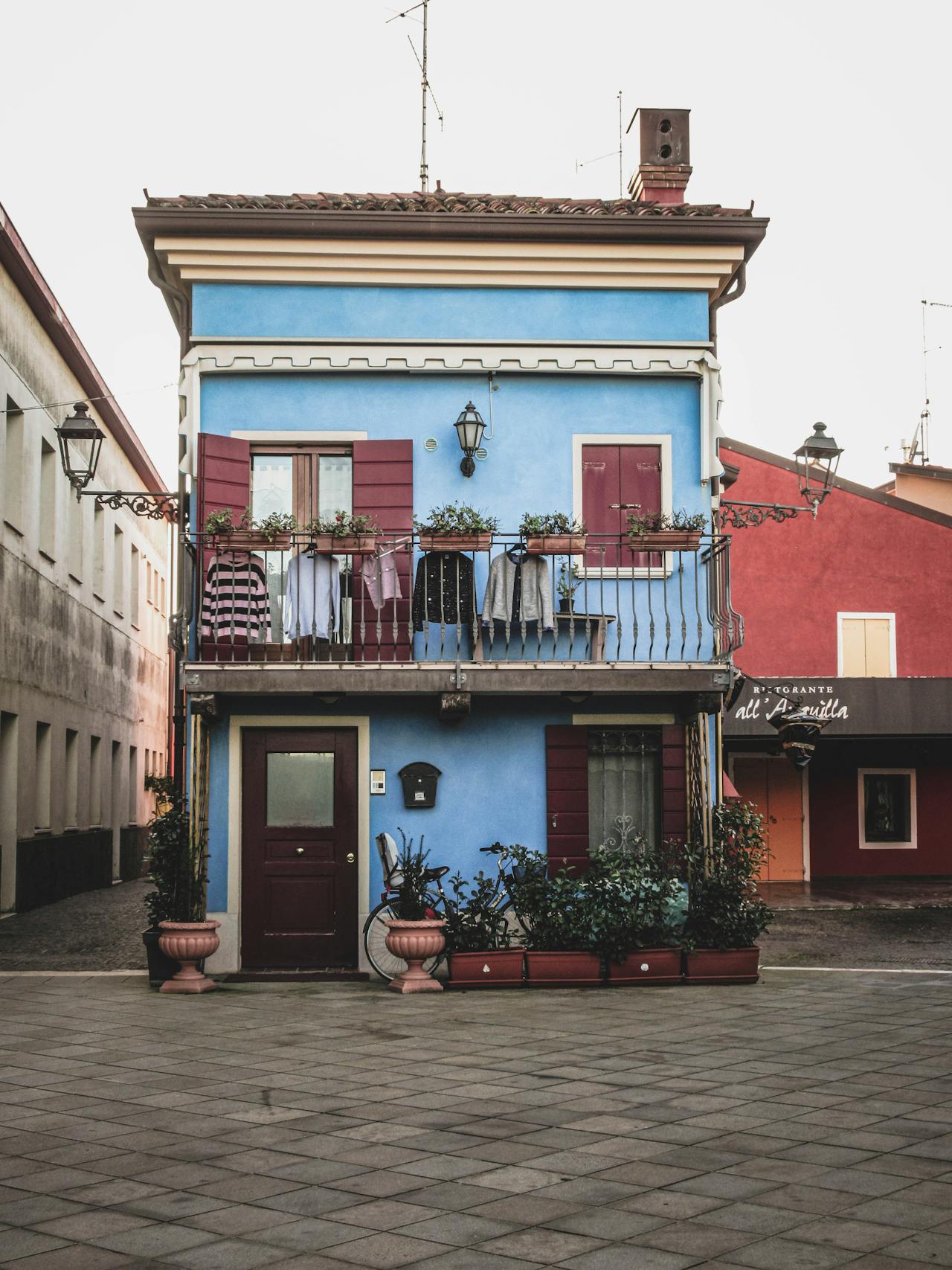
From average prices in major university cities to tips for finding reliable listings, avoiding scams, and signing your first lease. Let’s make that dream a reality!
For a visa, you will need a document stating that you have a place to live (the distance to the university is less than or equal to 60 km).
This is very important! Without this document, you will not get a visa!
What kind of document could this be?
- An invitation from Italian friends
- Maybe a hotel reservation will work (check with the embassy)
- Apartment found on Airbnb, or other sites
- Rental contract
- Try writing to the university secretary; they may be able to offer you some advice.
This is a tricky part, because no landlord will sign a contract with you without a prepayment (be careful not to transfer money to scammers!). Look for services that address this, such as private companies or legal entities in Italy. To rent an apartment, you need a “caparra”— a deposit for 2 or 3 months.
Where to write?
The student secretariat, the international student secretariat, and Erdis (regional authority for the right to education).
Examples of costs:
The cost of a room depends on the neighborhood, city, and region where you are looking for accommodation. Here are a few examples: North-Center-South (respectively).
- A room in Milan costs from 700-800€ and up. Here you can find rental prices in Milan*.
- In Ancona*, from €250-300 and above.
- In Rome*, from 700-800€ and above.
- *Immobiliare.it offers extensive listings for rooms and apartments with advanced filters for student budgets and proximity to campuses.
Top Rental Sites:
- Idealista.it: Features verified ads for shared student housing, including photos and price comparisons across Italy.
- Sturent.it: Student-specific platform providing free searches for rooms and residences near partner universities.
- Spotahome.com: Focuses on secure, online-verified rentals for internationals, including student residences.
- HousingAnywhere.com: Curates verified student accommodations with flexible contracts, popular for expats needing quick bookings near top unis.
- others
In addition to rent, you must remember that there are other costs to consider.
Utility bills:
Electricity, gas, garbage collection, and condominium fees. It can also vary. For example:
- For the summer months (July–August) of 2023, for a 60 m² apartment (in north-central Italy): electricity – €100 and gas – €50
- Winter months (January–February): electricity – €170 and gas – €280
- Garbage collection for the year – €50
- Condominium fees – €20–40 per month.
Regarding the most recent information, for example, I reside in central Italy. In October and November, I paid €85 for electricity. However, I spent €150 on my gas bill for October and November.
I lived with two other students, and we paid 200-250 euros (costs for the period 2013-2017 in the city of Ancona (Marche region)) per room plus utilities (electricity, water, gas, garbage, condominium fees).
I will also talk about transportation here.
Ticket prices depend on the type of transportation and the city you are in. There are annual, monthly, and other types of passes. This will certainly help you save some money. If you live close to the university, you are in luck, as you can take daily walks and enjoy the Italian sun.
Otherwise, the cost of passes for the metro and ground transportation may be as follows (North – Center – South (respectively)):
- Milan transport company (Azienda Trasporti Milanesi – ATM)
- Transport and Mobility Company of Ancona and Province (ATMA)
- Rome subway
Common Mistakes Students Make When Renting in Italy.
Hey there, fellow pasta-loving learner! If you’re gearing up for your Italian adventure, dodging rental pitfalls is key to keeping your study abroad dreams (and wallet) intact. Here’s the scoop on the top 7 slip-ups I see all the time, and how to sidestep them like a pro.
- Falling for “too good to be true” deals. Dream flat in the heart of Milan for €500, no deposit? Sounds like la dolce vita, but it’s usually a scam fairy tale. If it feels off, trust your gut; it probably is.
- Skipping the contract fine print. Signing without a deep dive? Big no-no, suddenly you’re hit with non-refundable double deposits, no-swap clauses, or utilities that double your rent. Read every word, and rope in an Italian-speaking buddy for backup.
- Obsessing over city center spots. Are prices in the city center skyrocketing, quality of life declining, and noise levels high? Plus, is the university still far away? Check out neighborhoods served by the subway or tram. They may be less expensive.
- Starting your search too late. Starting in September is too late, honey. It’s peak season, all the best places have already been booked, and you’re left with only poor options at exorbitant prices or offers that aren’t very transparent. Start your search 2-3 months in advance. I found my last two houses in the middle of August, when everyone is at the seaside.
- Sticking to just one source. Don’t rely solely on real estate agents. You’ll miss out on some unmissable opportunities. Try varying your approach: visit websites such as Idealista, Facebook Marketplace, Airbnb, and others. Contact owners directly via direct message to find the best deals.
- Ignoring landlord references or reviews. Found a listing? Don’t stop there; ask for past tenant contacts or scour Google reviews. Shady owners love fresh faces; real feedback uncovers hidden drama like surprise fees or eviction vibes.
- Forgetting to budget for extras beyond rent. €500/month sounds sweet, but add agency fees, guarantees, or WiFi? Boom, you’re broke. Always tally the full monthly hit upfront, including those sneaky “spese accessorie” that pile on.
Good luck!