Easter in Italy: Traditions, Colomba & Pasquetta Picnic Ideas.
Whether you’re planning to visit Italy during Easter or want to recreate that authentic Italian vibe at home, this guide will walk you through everything: traditions, iconic foods like Colomba cake, and the best ideas for a perfect Pasquetta picnic. Easter in Italy is not just a holiday, it’s a full sensory experience made of tradition, seasonal ingredients, and long meals that turn into lasting memories. As spring begins to bloom, Italians gather around the table to celebrate with dishes that reflect both heritage and simplicity. In Italy, Easter (Pasqua) blends deep-rooted religious customs with a more universal ritual: sharing food. The day typically starts slow, often with church services or quiet…
Italian Easter Cheese Bread (Pizza al Formaggio).
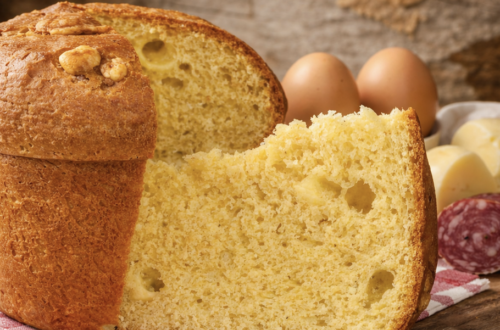
In the Marche region, tradition dictates that Easter morning begins with a special breakfast, quite different from the usual daily meal: a hearty, savory meal in which cheese pizza takes center stage. It is served with local cured meats, hard-boiled eggs, and wine, creating a perfect balance of flavors. If there’s one thing you should know about Easter in Italy, it’s this: food is never just food. It’s memory, family, ritual, and a whole lot of flavor. One of the most iconic (yet underrated) Easter recipes comes from the Marche region: pizza al formaggio, also known as Italian Easter cheese bread. Tall, fluffy, and packed with bold, savory cheese, this traditional…
“Amor” from Pontremoli: the sweet symbol of Lunigiana
In the heart of Lunigiana, amidst mountains, ancient villages, and historic roads like the Via Francigena, lies a town rich in history and gastronomic traditions: Pontremoli. Among its typical products is a small, simple, and much-loved one: Amor. This dessert, found almost exclusively in this area between Tuscany and Emilia, is made of two thin wafers enclosing a soft, delicate cream. It’s a single-serving dessert, perfect for enjoying with a coffee, perhaps while sitting in a square in the historic center. Despite its simplicity, Amor has become one of Pontremoli’s gastronomic symbols. Its history is interesting, and its recipe, handed down over time, continues to captivate everyone who tastes it.…
Italian aperitif.
In Italy, the aperitivo is a serious thing, even if nobody takes it too seriously. It’s the moment of the day when people stop, relax, and enjoy a drink together. It’s not just about alcohol: it’s about being with others, talking, and taking a break. And among all Italian aperitivo drinks, the Spritz is without a doubt the most famous one. The word “aperitivo” comes from the Latin word aperire, which means “to open”. The idea was simple: to open the stomach before eating. Many years ago, people already drank light wines and herbal liquors to stimulate the appetite. One of the most important names in this story is Antonio Benedetto Carpano.…
The scholarships in Italy.
In Italy, there are two main types of student financing: merit-based scholarships, such as the “Invest Your Talent in Italy” (IYT) and MAECI scholarships, as well as internal university scholarships. Need-based scholarships: DSU. Here, I will also try to explain what a Foundation year is and special projects such as Marco Polo and Turandot. Studying in Italy is an exciting adventure that goes far beyond classroom lessons: it is an experience of life, culture, and personal growth. During my journey, I discovered that, with the right guidance, even financing your studies can become an achievable goal; it is not just a matter of luck or “being very good,” but of…
Carnival in Italy.
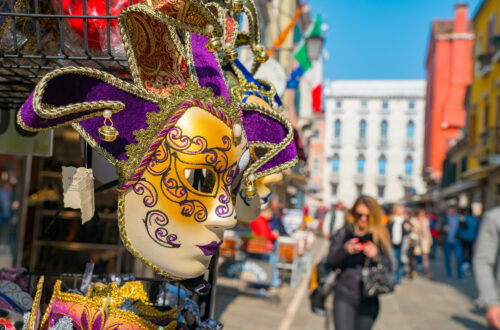
Carnival is a very popular festival in Italy. It dates back to ancient times, to certain Greek and Roman festivals that arose from the people’s need to have fun and joke around. Currently, Carnival lasts several days and ends on Shrove Tuesday. Carnival is an opportunity for adults and children to have fun through dressing up, masked parades, and allegorical floats. They ironically represent famous figures from politics and entertainment. The floats and masks parade through the streets of the city, accompanied by music and dancing. In all the squares, “Piazza” of Italian cities, there are processions of floats and parades of children and adults dressed up for Carnival. Some…
Finding Affordable Student Rentals in Italy: Your Ultimate Guide.
Do you dream of studying abroad in Italy? From the historic universities of Bologna to the lively streets of Rome and the sunny campuses of Florence, the Bel Paese offers world-class education and an unforgettable lifestyle. But before you pack your bags, you face an important challenge: finding affordable student accommodation in Italy. Whether you’re looking for a cozy shared apartment in Milan, an inexpensive studio near Padua, or a room in a student house in Turin, navigating the Italian real estate market can seem complicated, especially due to variable costs, visa requirements, and local peculiarities. In this post, I’ll break down everything you need to know about renting in…
The Ancient Flavors of Tuscany: Testaroli and Farinata.
Pontremoli is the jewel of Lunigiana, boasting a rich historical heritage that makes it famous far beyond Tuscany. Pontremoli, a charming village in Lunigiana on the border between Tuscany and Liguria, is a must-see. Have you ever been to Pontremoli? I adore Pontremoli so much that I always make a point to return to Piazza della Repubblica for a perfectly mixed spritz at Caffè Belotti. Here are some of Pontremoli’s most famous facts: Pilgrims and merchants passed through Pontremoli, fostering the exchange of culinary traditions. Today, this UNESCO gem attracts food lovers for its typical Pontremoli dishes, such as the renowned testaroli and farinata (or calda calda). These specialties, prepared…
Key Documents for Enrollment and Student Visa.
Discover the essential documents and step-by-step guide to studying in Italy: pre-enrollment, registration on the Universitari portal, and university enrollment. Make your dream a reality! For international students aspiring to study in Italy, understanding the key documents required and the step-by-step enrollment process is essential. The process begins with pre-enrollment, followed by registration on the Universitaly portal, and, after receiving your study visa, enrollment at your chosen university. This article will guide you through these crucial steps and the necessary documentation to make your dreams of studying abroad a reality. Here are the 3 main steps to enroll at an Italian University: Step 1: Pre-admission This phase takes place between…
Christmas in Italy or Panettone vs Pandoro.
Christmas in Italy is a special holiday. It is always celebrated with family. As the saying goes, “Natale con I tuoi, Pasqua con chi vuoi” (Christmas with your family, Easter with whoever you want). From the beginning of November, Pandoro and Panettone appear in stores. These are famous sweet cakes. They are available in industrial and artisanal varieties. They differ in price and, of course, taste. Christmas is also the time for the famous Cantucci and Vin Santo. People think about the holiday menu, buy gifts, decorate their homes, and put up Christmas trees. Artificial ice rinks are set up in the city, concerts are held, and Christmas markets open.…