Castagnaccio Recipe: A Rustic Taste of Tuscany
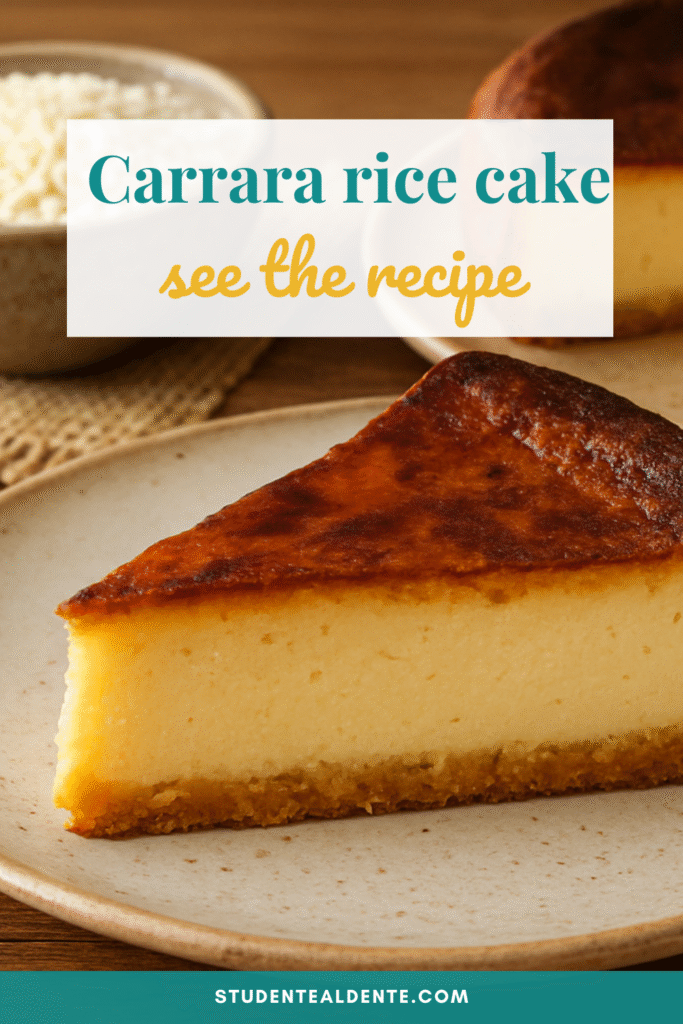
Here is a recipe for Castagnaccio cake, a classic dessert from northern Tuscany, specifically from Carrara.
Long ago in the Tuscan mountains (Lunigiana), chestnut trees ruled the hillsides. During harsh winters, local families relied heavily on the rich, sweet chestnut flour to nourish themselves. Moreover, Castagnaccio was more than just a cake; indeed, it was a humble celebration of nature’s gifts, simple yet soulful.
A Short Story to Savor with Your Slice…
Legend says an old grandmother once invited lost travelers into her home, offering slices of warm castagnaccio and stories by the fire. Those slices carried comfort, hope, and a touch of magic, the secret rosemary whispering tales of the forest.
Ingredients:
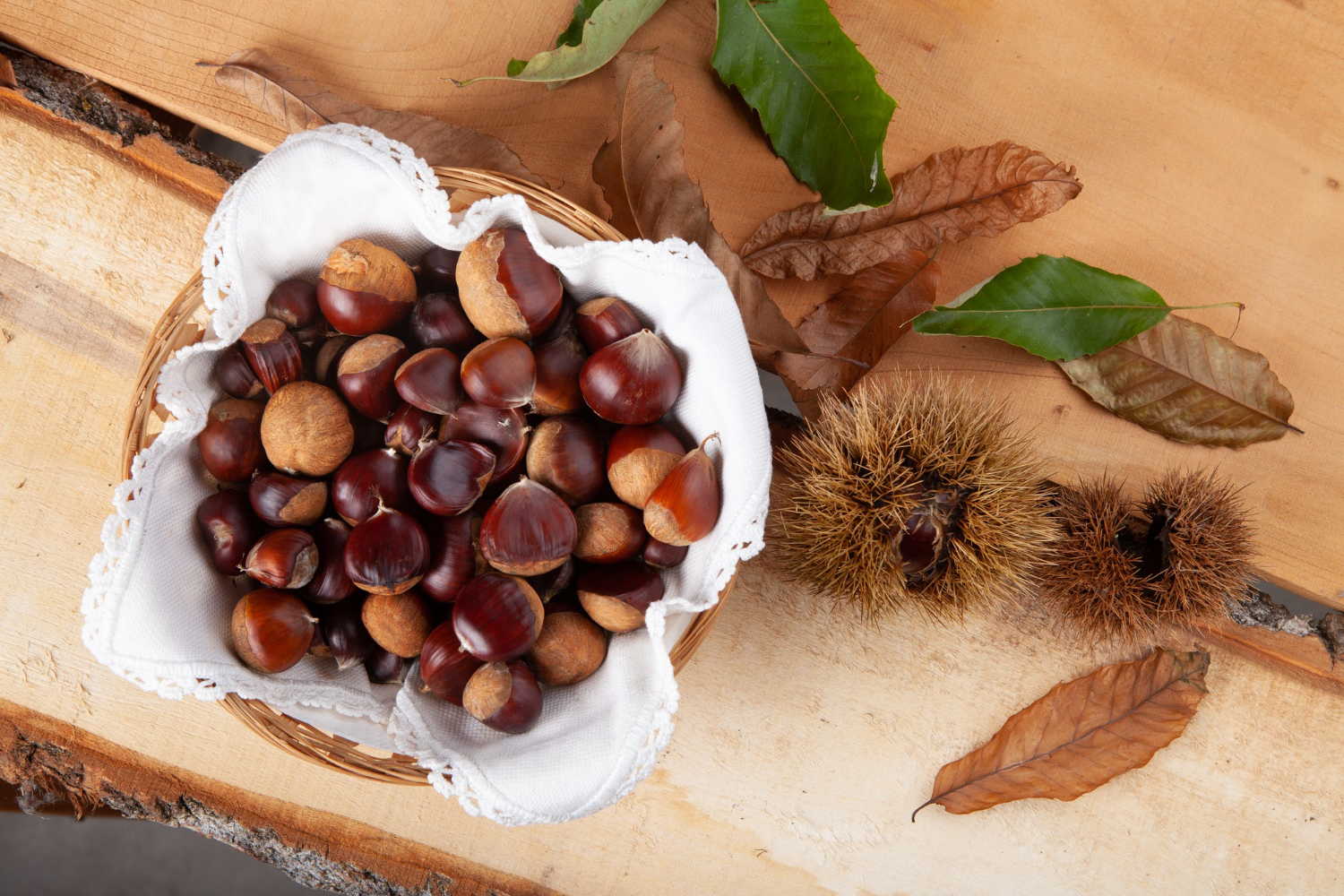
- 300 g chestnut flour
- 380 g cold water
- 4 tablespoons sugar
- 2 tablespoons extra virgin olive oil
- 40 g raisins
- 40 g pine nuts
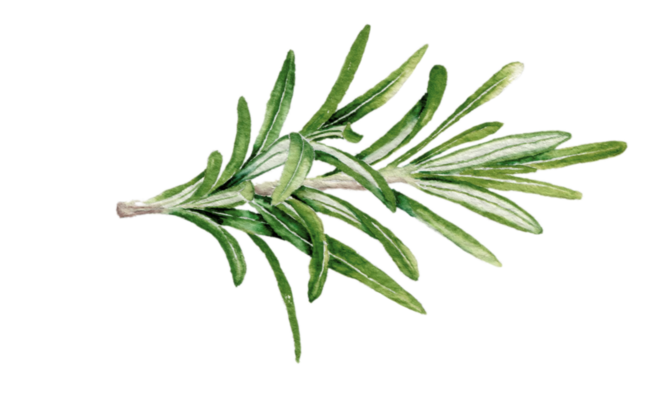
- 2 sprigs rosemary
- 1 pinch salt
Preparation:
Prepare your ingredients: Prepare your ingredients: Start by washing and drying the raisins. Set the pine nuts aside.
Mix the batter: In a large bowl, combine the chestnut flour, sugar, and salt. First, gradually add the cold water while stirring with a whisk or wooden spoon to avoid lumps. Next, stir until you have a smooth, liquid batter.
Add the good stuff: Pour in one tablespoon of the olive oil and mix through. Next, fold in most of the raisins and pine nuts, while reserving a little to sprinkle on top later.
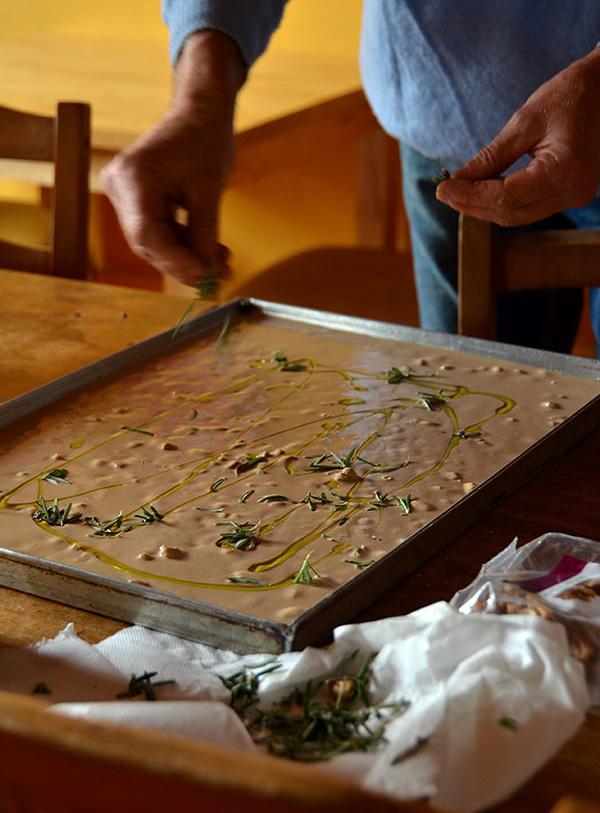
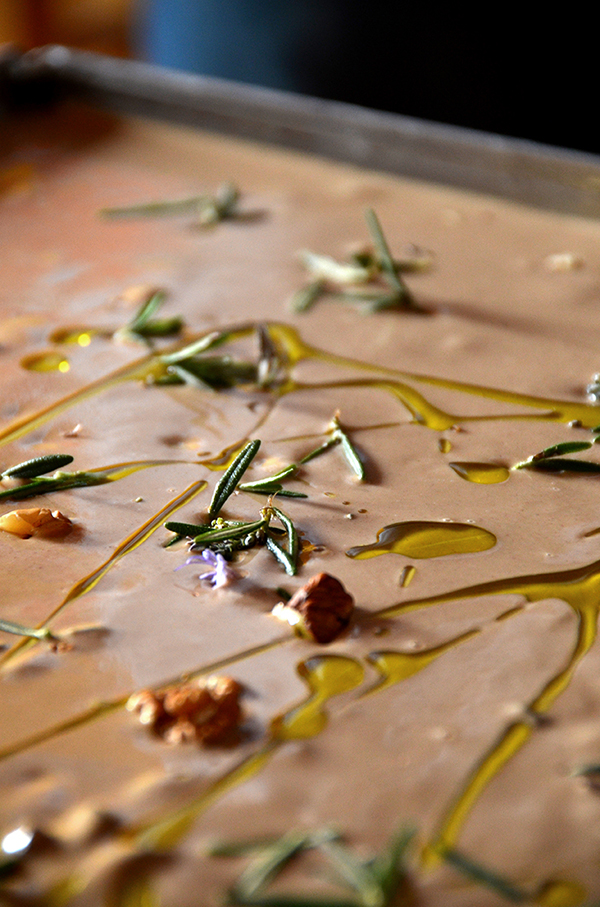
Top your castagnaccio: Evenly scatter the remaining pine nuts and raisins on the surface. Now, here comes the magical moment: tuck in the rosemary sprigs gently on top. Rosemary’s piney aroma will elevate the rustic flavors.
Bake: Preheat your oven to 180°C (350°F) and bake for about 40-45 minutes. By this point, the cake should form a thin crust on top while remaining moist inside.
Cool and serve: Leave to cool and serve. Allow to cool slightly before cutting. Castagnaccio is traditionally enjoyed with a little ricotta cheese.
Prepare the pan: Brush a round baking dish or cake tin with the remaining olive oil. Pour in the batter and spread it out evenly.
Furthermore, I shared another wonderful Tuscan recipe here:
Special Moments to Note:
The rosemary sprigs are not just decoration; they infuse the cake with an earthy, fragrant note while baking. Don’t skip this step!
The texture should be moist and tender, almost like a thick pancake, not dry like a typical cake.
Resist the urge to overbake; a little softness inside is the signature of a perfect castagnaccio.
Buon appetito e buon studio with your slice of Tuscan tradition!