Carnival in Italy.
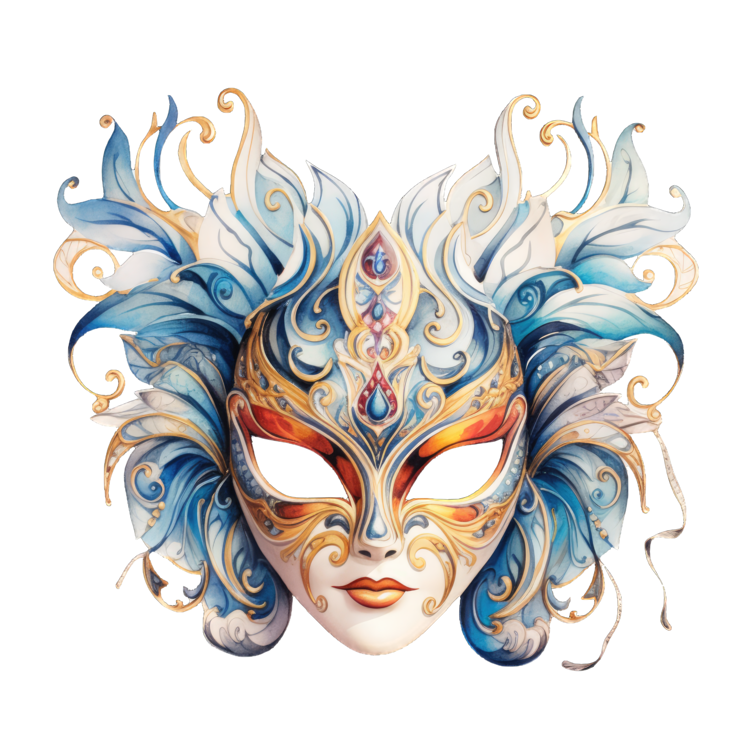
Carnival is a very popular festival in Italy. It dates back to ancient times, to certain Greek and Roman festivals that arose from the people’s need to have fun and joke around. Currently, Carnival lasts several days and ends on Shrove Tuesday.
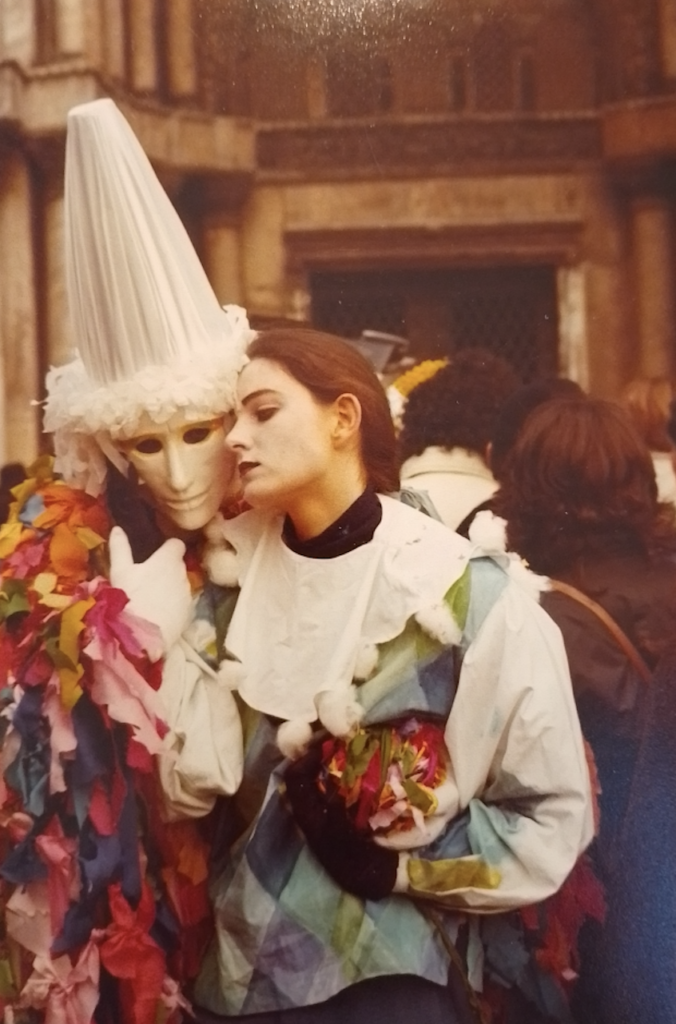
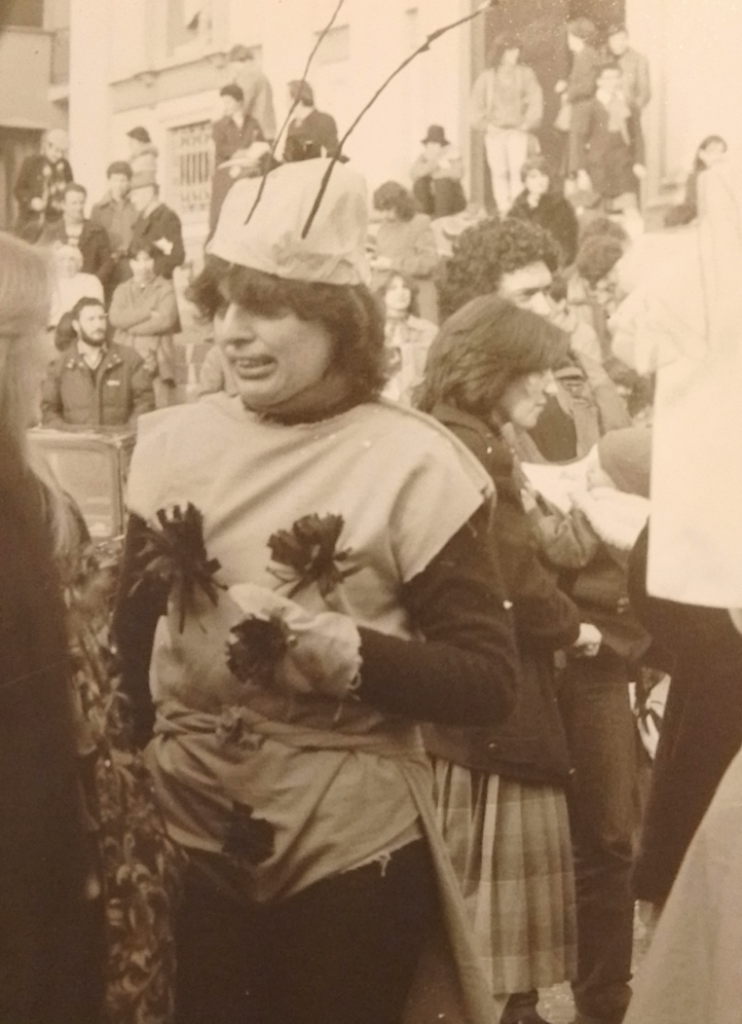
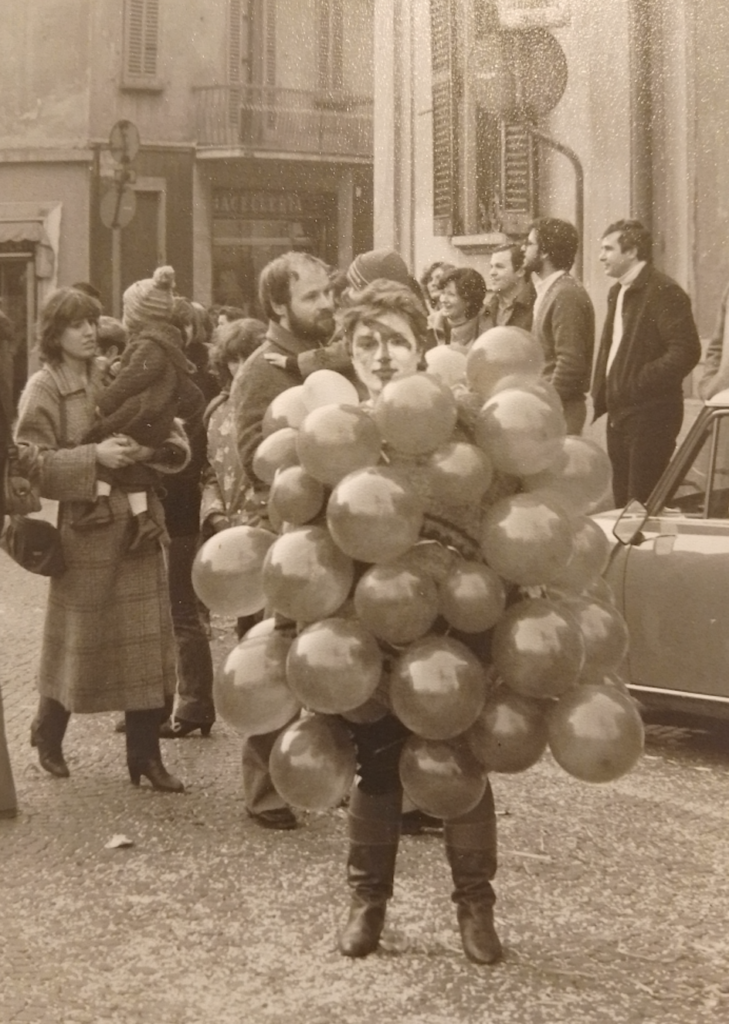
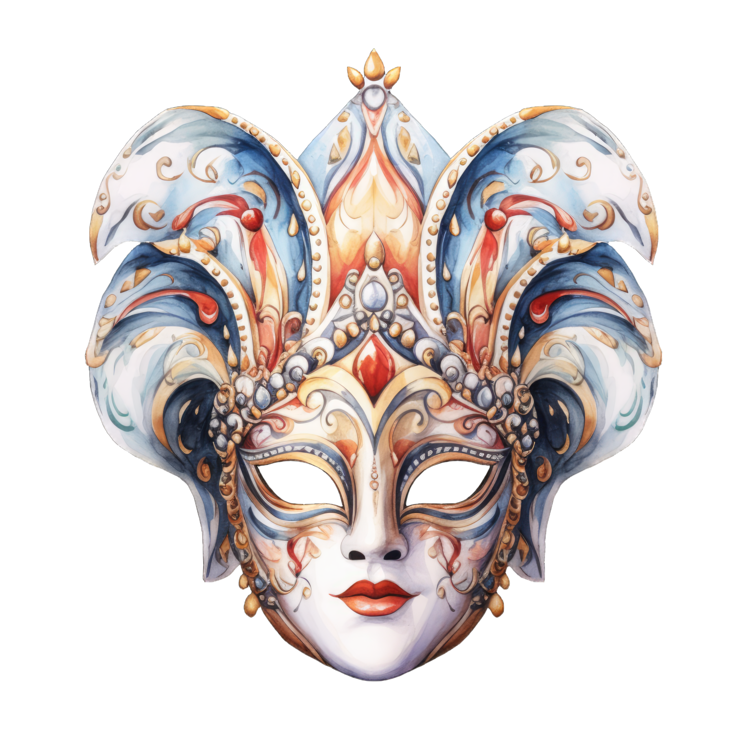
Carnival is an opportunity for adults and children to have fun through dressing up, masked parades, and allegorical floats.
They ironically represent famous figures from politics and entertainment. The floats and masks parade through the streets of the city, accompanied by music and dancing.
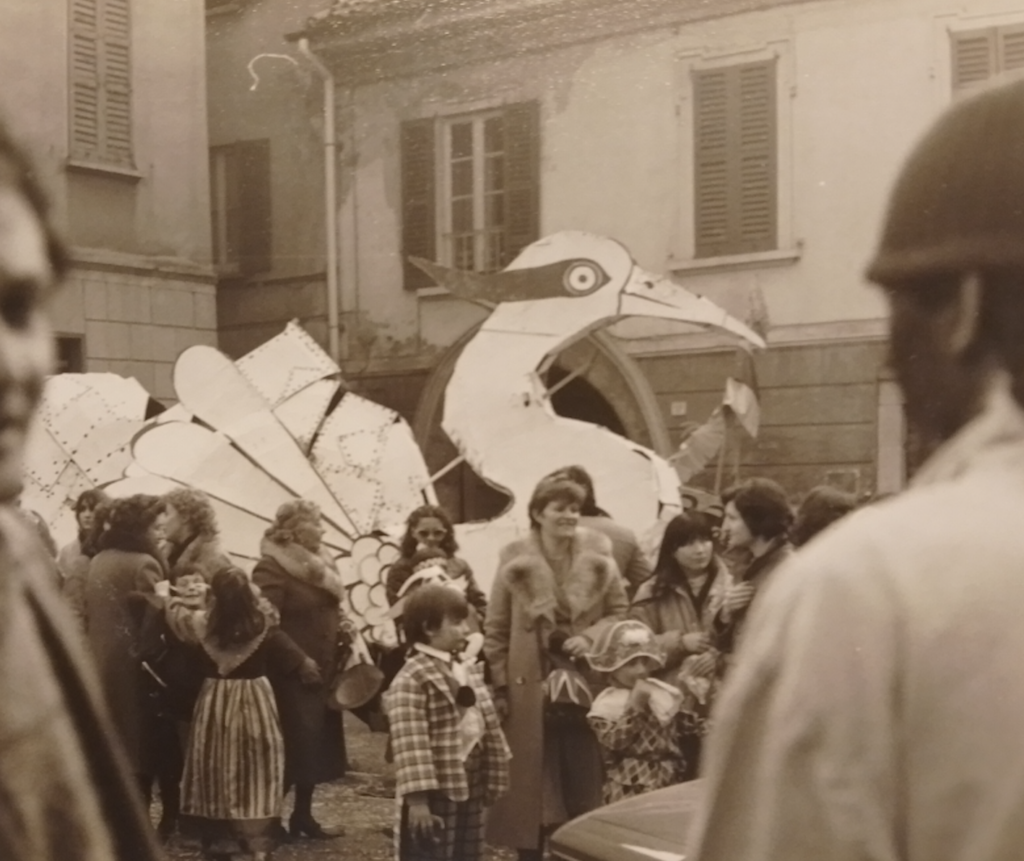
In all the squares, “Piazza” of Italian cities, there are processions of floats and parades of children and adults dressed up for Carnival.
Some cities, such as Venice and Viareggio, and Fano, organize very important celebrations with allegorical floats, floats that carry figures made of papier-mâché. In cities such as Viareggio and Fano, there is a strong tradition of carnival floats. There are also competitions to decide which float is the most beautiful and artistic.
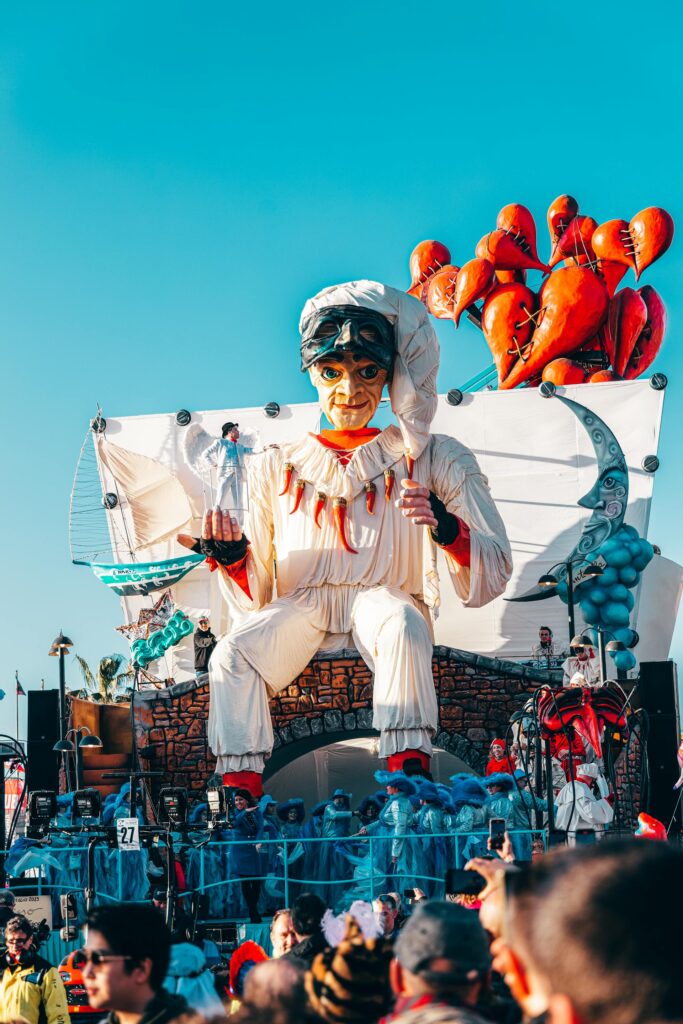
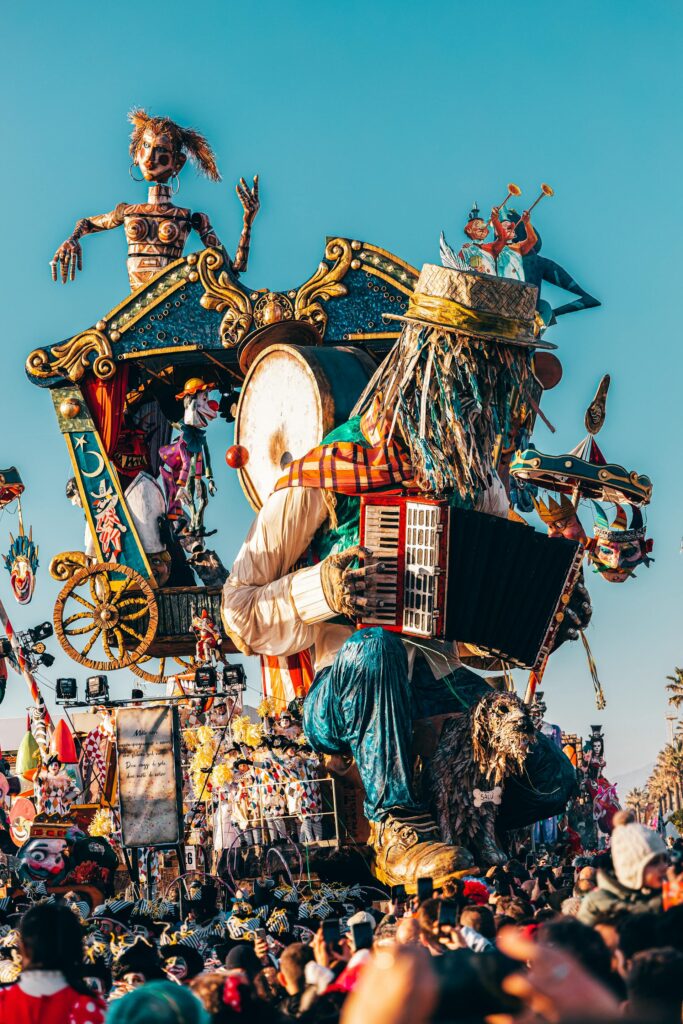
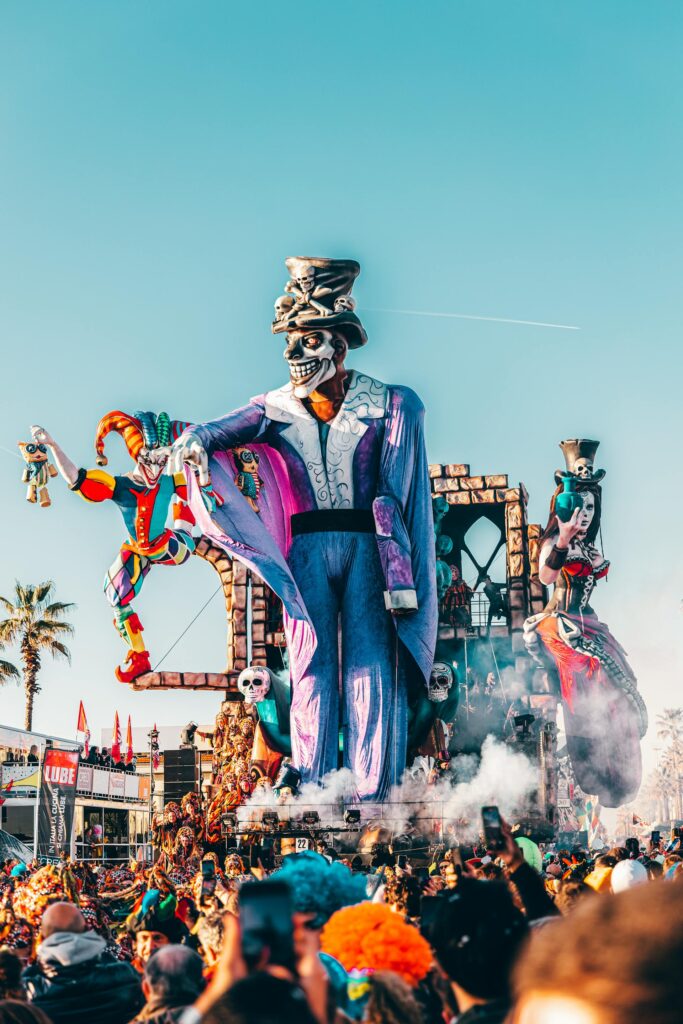
Classic masks are the stars of Carnival:
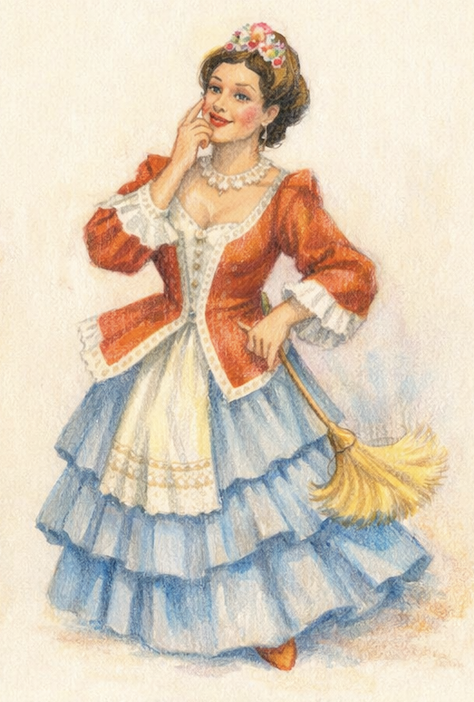
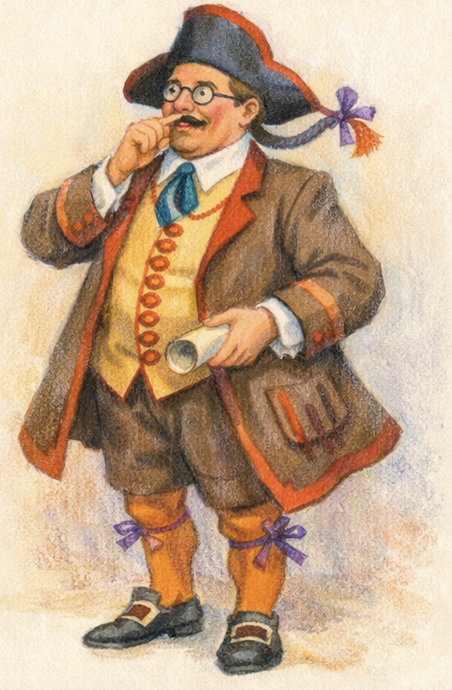
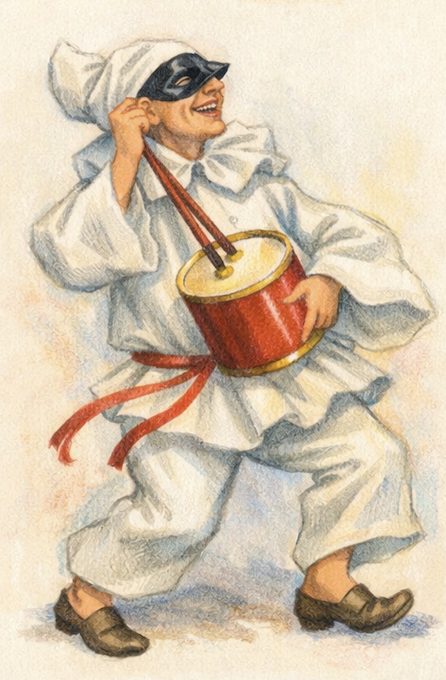
They represent human vices and virtues. Every Italian region has its own mask: Arlecchino, Colombina, Dottor Balanzone, Pulcinella, and many others.
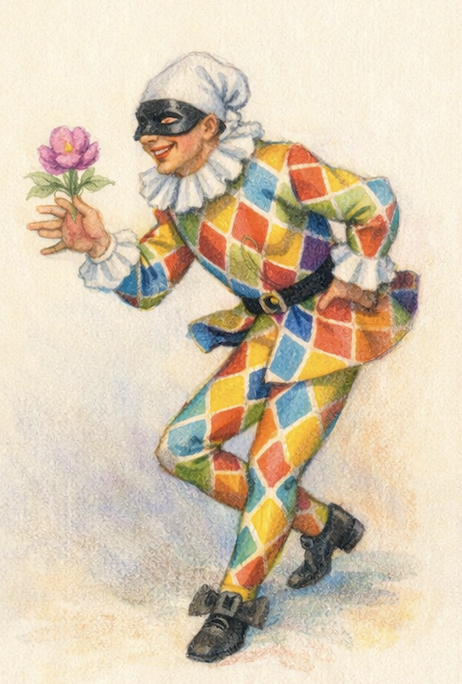
- Among the most famous and oldest masks is Arlecchino, a mask from Bergamo with a very colorful costume made from pieces of fabric in many colors. Arlecchino is a deceitful and foolish servant, but rich in fantasy and imagination.
- Colombina is a mask from Venice, the only female mask. Colombina is a lively, cheerful, vain, and deceitful servant, very devoted to her mistress.
- Dottor Balanzone is a mask from Bologna that represents a presumptuous character who loves to talk at length.
- Pulcinella, on the other hand, originates from Naples and represents a foolish and talkative servant.
Confetti is also part of the Carnival tradition:
Confetti “Coriandoli” consists of small pieces of colored paper that are used not only in Italy but also in many other countries around the world. During Carnival, confetti brings joy and happiness and is inexpensive. However, few people know that it is an Italian invention.
The custom of throwing confetti began in the Renaissance, around 1500. At that time, they did not use the paper confetti we know today, but actual coriander seeds. This spice came from the East, and its small, circular shape was ideal for throwing. Coriander seeds covered in sugar were thrown into the air during celebrations such as weddings or Carnival. They were considered a good omen and were covered in sugar.
However, this custom later became too expensive due to the high price of sugar. In 1875, engineer Enrico Mangili had the idea of recycling the leftover paper from his company instead of using sugar-coated confetti.

Italian Carnival desserts:
Carnival in Italy is an ancient, noisy, and delicious celebration, which originated as the last great moment of abundance before Lent.
For centuries, in homes and squares, people have cooked with whatever made them happy: flour, eggs, butter, sugar, and oil, simple ingredients transformed into fried, fragrant, and convivial desserts.
Each region has created its own specialties, often similar to each other but with different names, shapes, and flavors: desserts to be shared, prepared in large quantities, designed to be eaten with your hands, and sprinkled with sugar.
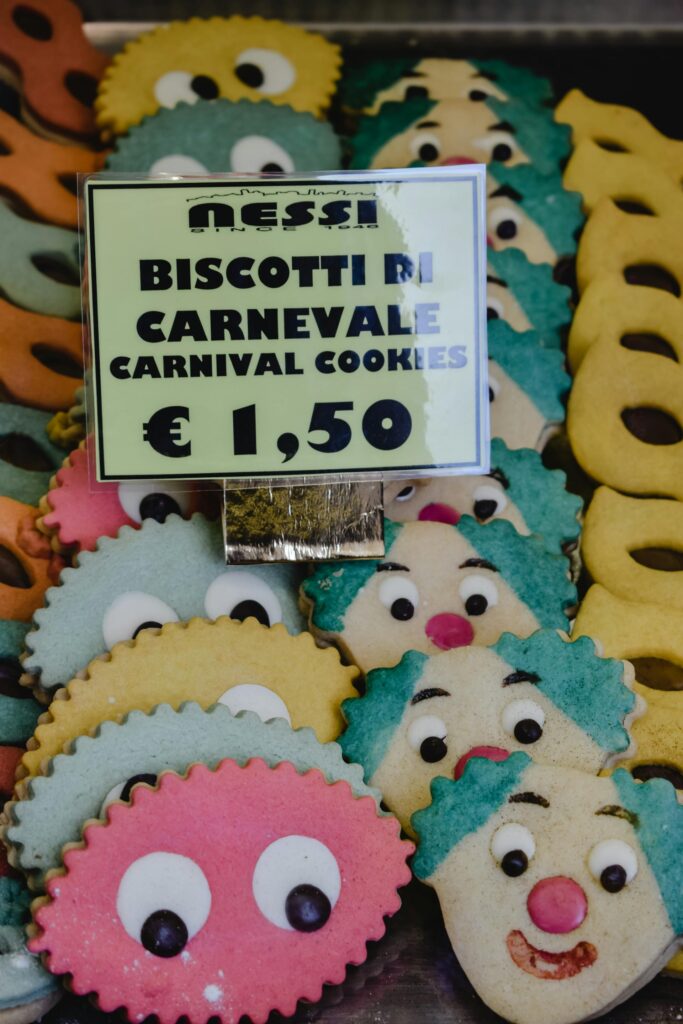
Behind each recipe is a popular story, made up of peasant traditions, village festivals, and ancient rites of passage. Carnival sweets are not just desserts: they are memories, identity, and joy, the taste of a suspended time when anything goes, at least until the last bite.
Here is an overview of the most popular Carnival desserts:
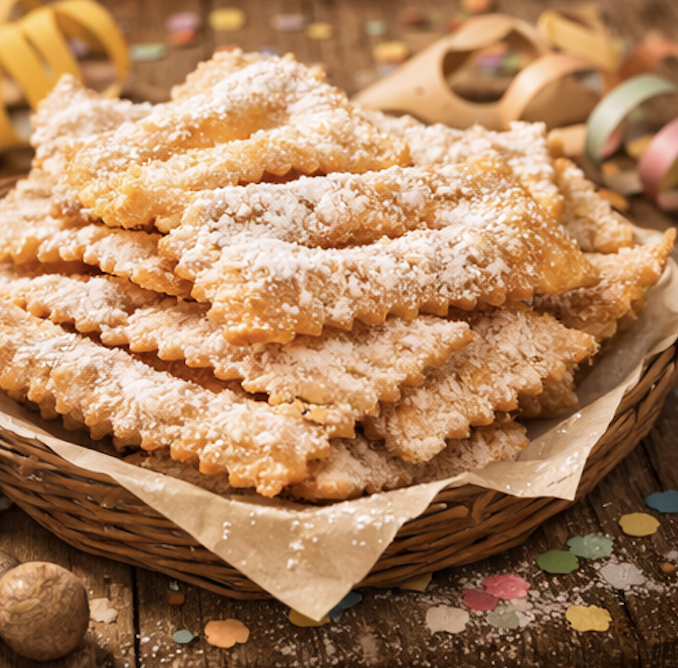
- Chiacchiere (Frappe, Bugie, Galani, Cenci, Sfrappole) – hin, crispy fried or baked pastries sprinkled with powdered sugar.
- Castagnole – fried dough balls, soft on the inside and crispy on the outside, sometimes filled with cream, ricotta, or chocolate.
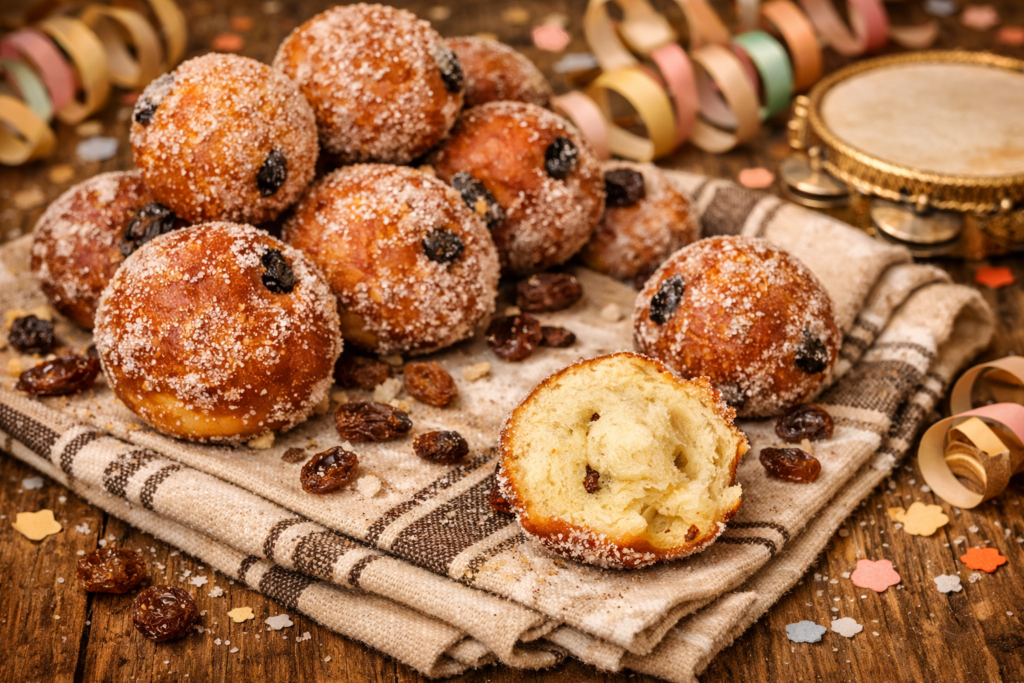
- Frittelle – soft rice or plain dough fritters, typical of Venice.
- Cicerchiata – fried dough balls bound together with honey, typical of central Italy.
- Arancini marchigiani – range-flavored fried rice balls.
In recent years, Carnival desserts have also been affected by high prices: the increase in the cost of basic ingredients such as flour, eggs, butter, sugar, and oil has affected both artisanal and home production. Prices in bakeries have risen to cover increasingly expensive energy costs and raw materials, while at home, people often try to reduce quantities or choose simpler recipes. Despite everything, Carnival remains a special time: even with a few sacrifices, the value of tradition and sharing continues to prevail over the final cost of the dessert. For example, on Fat Thursday, my colleagues and I bought some sweet arancini and paid €35 per kilo. Expensive but delicious! Happy Carnival!

Chiacchiere (Frappe, Bugie, Cenci, Sfrappole):
Ingredients:
- 250 g plain flour
- 2 eggs
- 40 g sugar
- 30 g butter
- 1 tablespoon grappa or white wine
- lemon zest
- 1 pinch of salt
- oil for frying
- icing sugar
Method:
Knead all the ingredients together until you have a smooth dough. Leave to rest for 30 min. Roll out very thinly and cut into strips. Fry or bake in the oven at 180°C for 10 min. Dust with icing sugar.
Chiacchiere derive from the Roman “frictilia,” sweets fried in animal fat and distributed during the Saturnalia, popular festivals in which the social order was temporarily turned upside down.
Castagnole:
Ingredients dough:
- 250 g plain flour
- 2 eggs
- 60 g sugar
- 50 g butter
- 8 g baking powder
- lemon zest
- 1 pinch of salt
- oil for frying
Cream: 500 ml milk, 4 egg yolks, 120 g sugar, 40 g flour or starch, lemon zest, vanilla
Method:
Prepare the cream and let it cool. Mix all the ingredients for the dough. Form balls and fry them at 170°C. Drain, let cool, and fill with the cream. Roll in sugar.
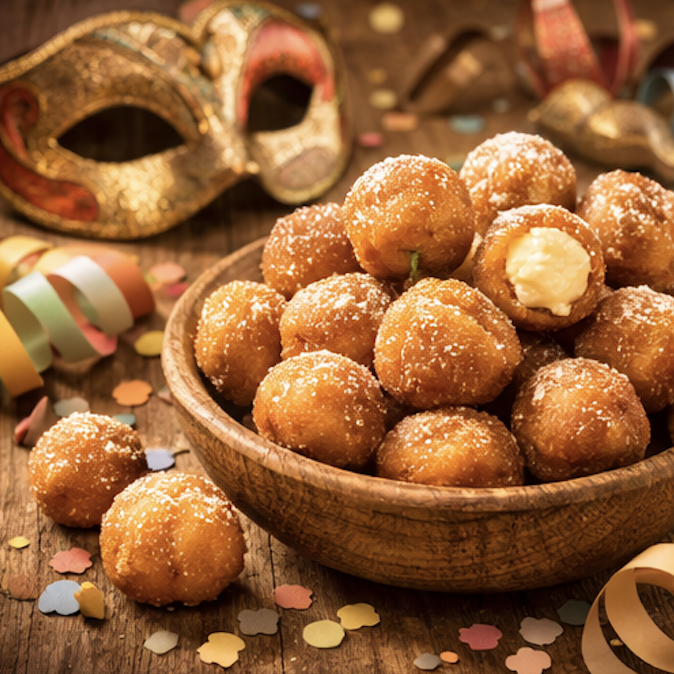
Castagnole are documented as early as the 18th century in Emilia-Romagna and Lazio; the name comes from their shape, which resembles chestnuts, a staple food in peasant cuisine.
Frittelle:
Ingredients:
- 200 g rice
- 500 ml milk
- 2 eggs
- 80 g sugar
- 50 g flour
- lemon zest
- 80 g soaked raisins
- oil for frying
Method:
Cook the rice in milk and leave to cool. Add the eggs, sugar, flour, zest, and raisins. Fry spoonfuls of the mixture.
In the 18th century, fritters were so popular in Venice that there was an official guild: the “fritoleri”, authorized sellers of fritters.
Cicerchiata:
Ingredients dough:
- Ingredients DOUGH
- 250 g plain flour
- 2 eggs
- 30 g sugar
- orange zest
- 1 tablespoon liqueur
- oil for frying
Ingredients for the icing: 200 g of honey, colored sprinkles
Method:
Mix everything and form into balls. Fry until golden brown. Heat the honey and add the balls. Shape and decorate with sprinkles.
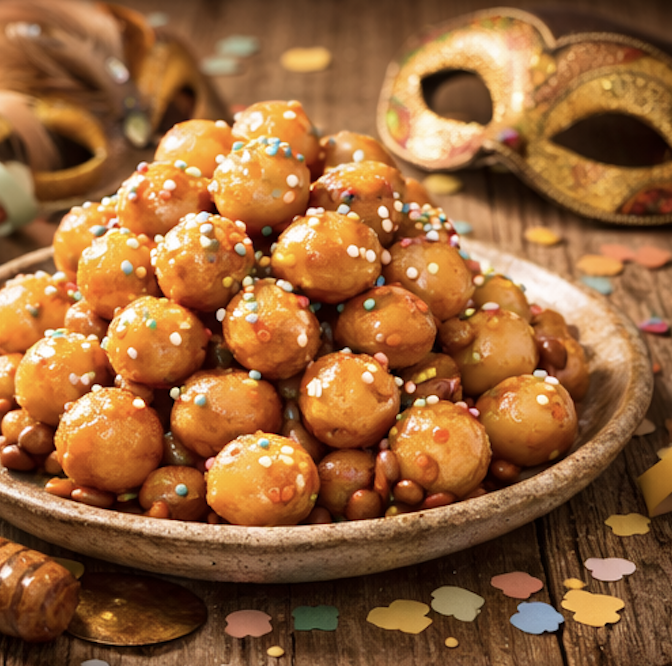
Typical of Abruzzo, Marche, Molise, and Umbria, the name derives from cicerchia, a legume similar to chickpeas, due to its resemblance to the fried balls.
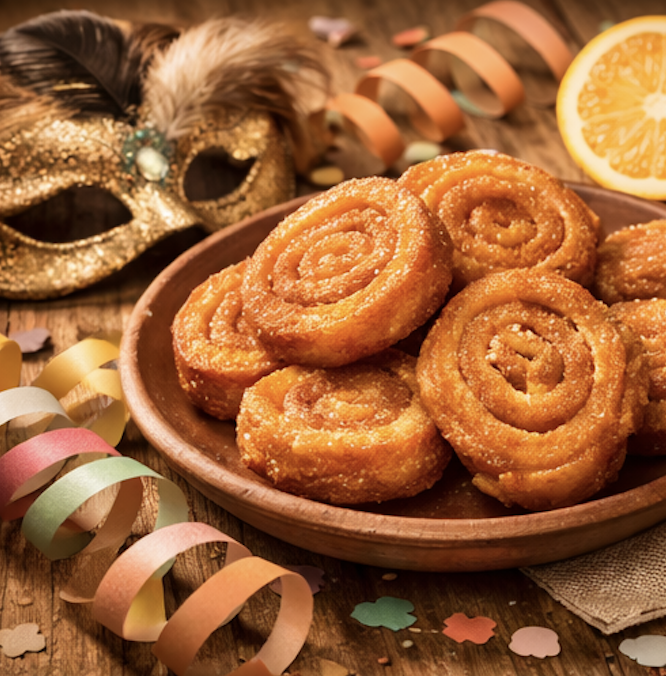
Marche-style arancini (sweet):
Ingredients:
- 250 g all-purpose flour
- 2 eggs
- 60 g sugar
- 50 g butter
- orange zest and juice
- 8 g baking powder
- oil for frying
Method:
Mix all the ingredients. Roll out the dough and roll it up. Cut into slices. Fry until golden brown and sprinkle with sugar.
They originated in the rural Marche region, where oranges were considered a precious and festive ingredient, used only on special occasions such as Carnival.
The Italian Carnival ends just as it began: with laughter, masks, and the aroma of freshly fried sweets. It is a celebration that unites the past with the present, where every recipe tells a story, and every bite preserves the flavor of sharing. When the Carnival ends, what remains are memories, traditions handed down through the generations, and the sweet anticipation of the following year, ready to return to celebrate the simple joy of being together.